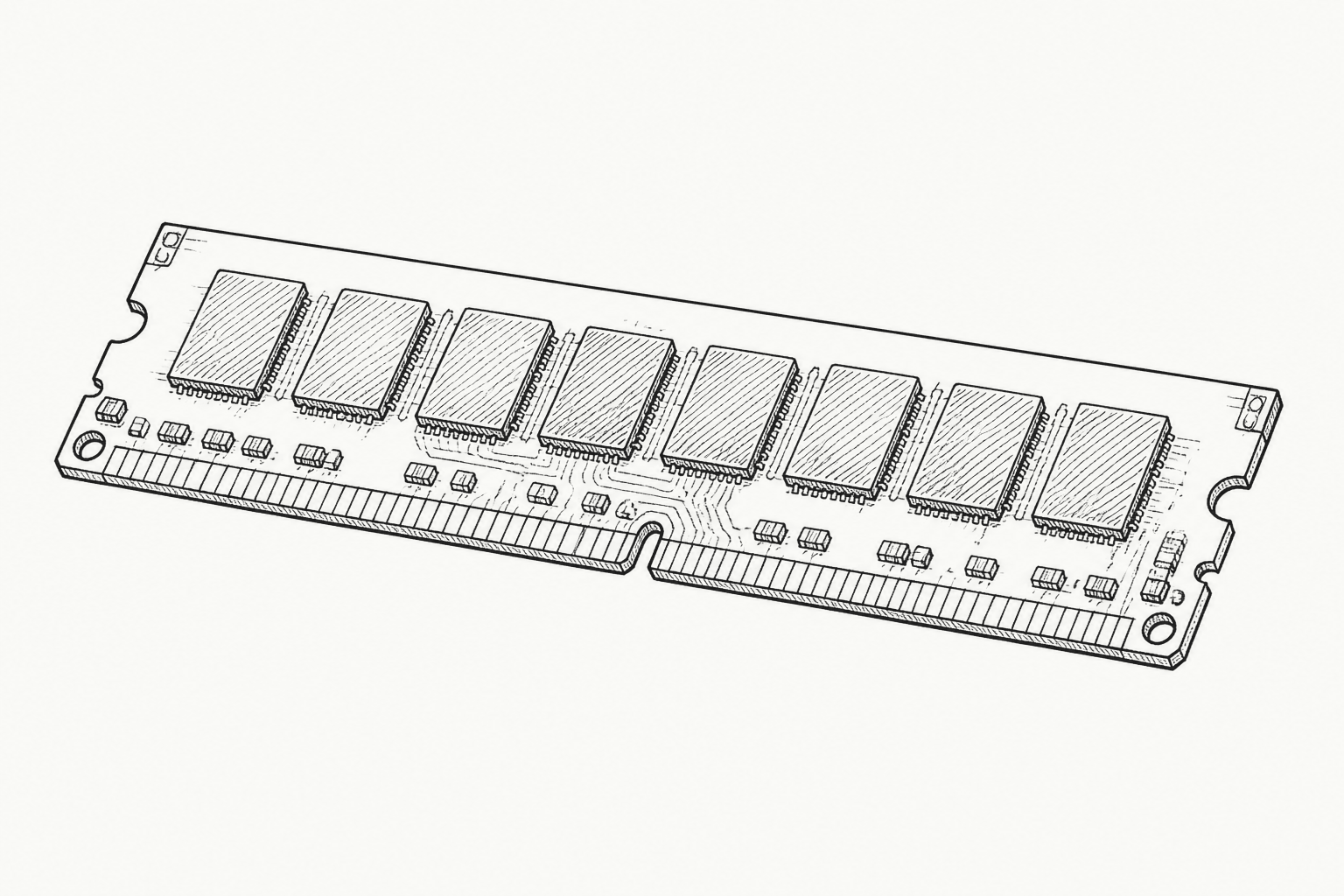
The artificial-intelligence buildout that has lifted chipmakers showed up on the cost side of three earnings reports this week, as Cloudflare cut 1,100 jobs to reorganize around AI agents and Nintendo and Sony blamed weaker forecasts on a memory shortage tied to AI data centers.
The back-to-back disclosures sharpen a split that has been forming for months: companies that sell AI infrastructure are restructuring their workforces around it, while companies that depend on the same memory chips are pushing the cost through to consumers. Apple flagged a similar squeeze on Mac supply last week.
Cloudflare resets
Cloudflare announced the 1,100 cuts, about 20 percent of staff, in a blog post tied to first-quarter earnings released Thursday, CNBC reported. The company said its internal use of AI has risen more than 600 percent in the last three months as it shifts to what it called "an agentic AI-first operating model."
First-quarter revenue rose 34 percent year over year and beat analyst estimates compiled by LSEG, but the stock fell 18 percent in extended trading. Chief Executive Matthew Prince told the earnings call that agentic AI has "fundamentally changed" the company's work and said there are roles "that we need for the future" and others that no longer fit. Cloudflare guided full-year revenue to between $2.805 billion and $2.813 billion, narrowly above the $2.8 billion consensus.
Memory bill
Nintendo said Friday it will raise the U.S. price of the Switch 2 by $50 to $499.99 on Sept. 1, with matching increases in Canada, Europe and Japan. The company forecast 16.5 million Switch 2 units in the fiscal year ending March 2027, down from 19.86 million in the year just ended, and projected an approximately 100 billion yen, or $637.8 million, hit from rising component prices and tariffs. Nintendo attributed the move to "changes in market conditions" and said full-year net sales would fall 11.4 percent, missing the LSEG estimate of 2.46 trillion yen.
Sony, also reporting Friday, sold 1.5 million PlayStation 5 units in its fourth quarter, down from 2.8 million a year earlier, a 46 percent drop, according to The Verge. The company expects to cap the memory hit on its 2026 forecast at about 30 billion yen and still projects a 13 percent rise in net profit to 1.16 trillion yen, helped by image sensors and music. Sony said its PS5 hardware plan now hinges on "the volume of memory we can procure at reasonable prices."
The bull read
The optimistic case for the same numbers is that AI demand is doing exactly what its backers promised: pulling supply toward higher-margin uses and forcing legacy hardware businesses to reprice. Cloudflare cast the shift as its biggest tailwind ever, and Sony still guided to double-digit profit growth. The bear read is the one Kantan Games Chief Executive Serkan Toto offered on Nintendo: "The impact is quite dramatic, as console sales usually go up in the second year — and not down as Nintendo predicts this time."
Nintendo's new Japan prices take effect May 25; the U.S. increase lands Sept. 1.