President Trump declared the Iran ceasefire "on massive life support" on Tuesday after rejecting Tehran's latest peace proposal, ordered a fresh round of sanctions and summoned his top military commanders to the White House to weigh next steps in a war now in its third month.
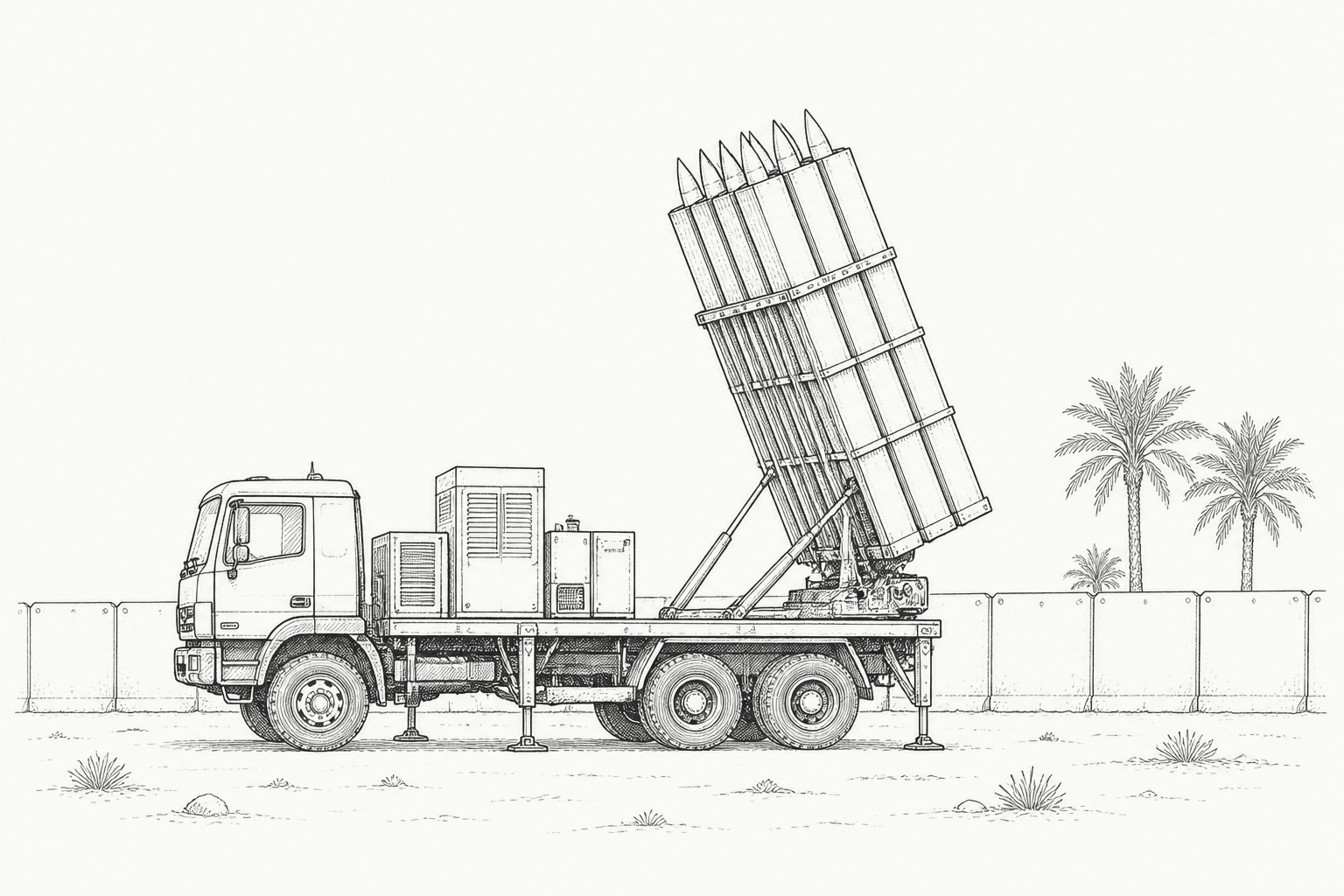
The day's escalation pulls Washington closer to the choice it has tried to defer since April: accept Iran's terms for reopening the Strait of Hormuz, or fight to force the waterway open. Brent crude pushed back above $100 a barrel, U.S. pump prices stayed elevated, and Israel disclosed for the first time that it had quietly stationed Iron Dome batteries and crews inside the United Arab Emirates to defend Abu Dhabi from Iranian missiles.
What shifted
Trump's language hardened a day after he rejected Tehran's weekend counteroffer outright, the framing that led Monday's edition. On Tuesday he went further, telling reporters the ceasefire was "unbelievably weak" and dismissing Iran's written response as "a piece of garbage." He said the document "should have taken 10 minutes to do" and that he had not finished reading it.
The sticking point is the same one that has hung over five weeks of indirect talks: enriched uranium. Trump said Iran had agreed in earlier exchanges to surrender its highly enriched stockpile and then withdrew the concession in writing. Tehran's latest offer, by the administration's account, made no nuclear commitments at all.
Iran's terms went the other direction. The Foreign Ministry asked the U.S. to formally recognize Iranian sovereignty over the Strait of Hormuz, end Israel's campaign against Hezbollah in Lebanon, lift international sanctions and defer any nuclear discussion. Spokesman Esmaeil Baghaei called the package "reasonable and generous," and said: "Whenever necessary, we will fight, and we don't care if others are happy or not."
The military option
Energy Secretary Chris Wright signaled over the weekend that the administration is again preparing to clear the strait by force. "If it's clear in the next few days that there's not a good path to a negotiated settlement, we will go back to the military method to open the strait," Wright said.
Tuesday's commanders' meeting follows the May 8 exchange in which CENTCOM struck Bandar Abbas and Qeshm after Iranian forces fired on U.S. destroyers, and the May 5 drone strike on the UAE's Fujairah oil terminal. Iranian state television on Tuesday showed footage it said depicted commercial shipping in Hormuz "at a grinding halt."
The disclosure from Tel Aviv that Israeli air-defense crews are now operating on Emirati soil reframes the regional picture. U.S. Ambassador Mike Huckabee, speaking at the Tel Aviv Conference, told the audience: "Israel just sent them Iron Dome batteries and personnel to help operate them." The UAE, which signed the Abraham Accords in 2020 and announced last week that it was leaving OPEC, did not immediately respond. Huckabee framed the deployment as a recruiting pitch for further Arab normalization, asking: "The Gulf states now understood they will have to make a choice — is it more likely they will be attacked by Iran or Israel?"
On the home front
Trump moved Tuesday to blunt the political cost of higher fuel prices, promising to suspend the 18-cent federal gasoline tax. The pause requires congressional approval. The administration also announced a new tranche of sanctions, the second since Friday's designation of 14 entities tied to Iran's oil trade.
Israeli Prime Minister Benjamin Netanyahu, in a CBS "60 Minutes" interview broadcast Sunday night, told viewers the war was far from finished. "I think it accomplished a great deal, but it's not over because there's still nuclear material, enriched uranium, that has to be taken out of Iran," Netanyahu said. Trump on Tuesday echoed that timeline, telling reporters the conflict could run longer than he had hoped.
The Beijing summit looms over every move. Trump leaves Wednesday for talks with Xi Jinping, China being the largest buyer of Iranian crude and Tehran's most consequential diplomatic backer. Senior administration officials told PBS NewsHour that the president plans to press Xi on Beijing's financial support for the Iranian government.
The counterpoint
No right-leaning outlet had matched the day's framing in coverage available to The Journal by press time, leaving the public record dominated by wire and center-left accounts that take Trump's "life support" line at face value. Iran's own characterization is the substantive opposing view: Baghaei told reporters the U.S. demands, not Tehran's response, broke the talks, and that the Islamic Republic remains "serious in pursuing its national interests and inalienable rights." Tehran's bid to legalize its control of Hormuz — the central reason Washington walked away — would, if accepted, hand Iran a peacetime chokehold over roughly a fifth of seaborne crude.
Trump's meeting with his generals was scheduled for Tuesday afternoon. He boards Air Force One for Beijing on Wednesday.