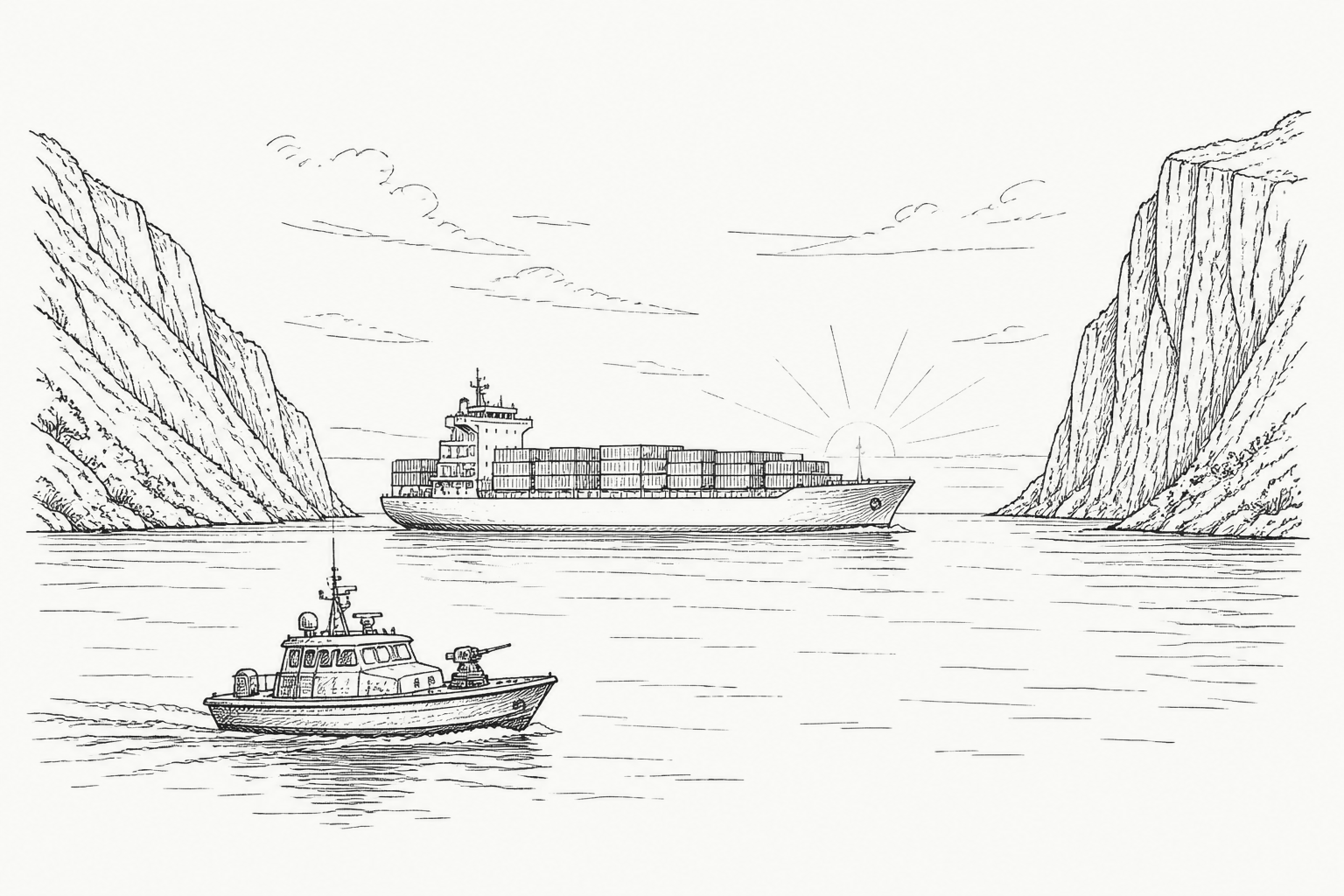

U.S. and Iranian negotiators have drafted a memorandum of understanding that would extend the late-February ceasefire by 60 days, reopen the Strait of Hormuz to unrestricted shipping within 30 days and open talks on Iran's stockpile of highly enriched uranium, U.S. officials said Thursday. Vice President JD Vance told reporters the text is awaiting President Trump's sign-off and that the two sides are still "going back and forth on a couple of language points."
The draft is the most concrete document of the three-month war and moves the dispute past Iran's demand for tolls in the strait — rejected last week by Secretary of State Marco Rubio at a NATO meeting in Sweden — and onto the harder questions of uranium, sanctions relief and Israel's parallel war in Lebanon.
What is in the text
Axios first reported the terms, which CBS News and Al Jazeera confirmed through U.S. sources. Shipping through the strait would be "unrestricted," with no tolls and no harassment, and Iran would have 30 days to clear mines laid during the war. The U.S. naval blockade on Iranian ports, imposed in April, would be lifted "in proportion to the restoration of commercial shipping" through the waterway, according to Al Jazeera. Washington would waive a tranche of oil sanctions, discuss unfreezing Iranian assets held in foreign banks and set up a humanitarian-aid mechanism.
Iran would commit not to pursue a nuclear weapon. The first item on the 60-day agenda would be its uranium program. Tehran is believed to hold roughly 440 kilograms of uranium enriched to 60 percent, short of the 90 percent threshold for weapons-grade material but within striking distance. The U.S. wants the stockpile handed over; Iranian Supreme Leader Mojtaba Khamenei has directed that it not be sent abroad, Al Jazeera reported, though Tehran has signaled willingness to transfer it to a third country. Israel's war in southern Lebanon, where forces have killed more than 3,000 people since March 2 according to Lebanon's health ministry, would end under the agreement.
On the diplomacy
Rubio met Pakistani Foreign Minister Muhammad Ishaq Dar in Washington at 10 a.m. Friday; Pakistan has relayed messages between the two governments throughout the war. The Treasury Department on Thursday imposed fresh sanctions on a network of Hong Kong-based front companies, charterers and eight vessels moving oil for Iran's military-owned petroleum firm, a sign the pressure campaign is continuing alongside the talks.
Markets
Brent crude fell $1.26 to $91.44 a barrel on Friday, against the roughly $70 level it held in late February before the war began. U.S. benchmark crude fell $1.03 to $87.87. The Dow Jones Industrial Average rose 0.5 percent to 50,902.56 in early Friday trading and the S&P 500 added 0.4 percent to 7,594.10.
"The oil market continues to edge lower amid growing optimism that the U.S. and Iran are moving toward a deal," ING commodities strategists Warren Patterson and Ewa Manthey wrote Friday. "A reopening of the strait would offer some immediate relief to the oil market with tankers leaving the Persian Gulf. However, the recovery is still uncertain."
The counterpoint
Iran has not confirmed the draft. The semi-official Tasnim news agency, citing a source close to the negotiating team, said Thursday evening that the text "has neither been finalized nor confirmed so far" and that Tehran had not informed Pakistani mediators of any completed text. Iranian chief negotiator Mohammed Bagher Ghalibaf, writing on X on Friday, said Tehran has "absolutely no trust in guarantees or words — only actions matter. No step will be taken before the other side acts first," and concluded that "The winner of any agreement is the side that is better prepared for war the day after it is signed." The White House had not released an on-the-record term sheet by press time, and Vance said it remains "hard to say exactly when, or if, the president's going to sign the MOU."
Lebanese and Israeli military delegations were due at the Pentagon on Friday to prepare for broader political talks scheduled for June 2, according to Lebanese media — the same day the House is set to take up a Democratic war powers resolution pulled from the floor last week.