An Iranian drone struck Kuwait International Airport early Wednesday, killing one person and shutting down the country's main air hub, hours after a U.S. fighter jet disabled an Iran-bound oil tanker in the Strait of Hormuz and U.S. forces hit a telecommunications tower on Iran's Qeshm Island. The exchange marked the most direct round of fire between American and Iranian forces since a Pakistan-mediated ceasefire took hold on April 8, and it pushed a conflict approaching 100 days back toward open war.
The attacks scrambled a diplomatic track that Secretary of State Marco Rubio had told Congress one day earlier was advancing. They also drew in two Gulf monarchies that host U.S. bases, killed an Indian national on Kuwaiti soil, and reopened questions about a Strait of Hormuz that has been effectively closed to traffic since late February, when the strait handled a fifth of the world's oil and liquefied natural gas before the war.
What shifted
Kuwait's state news agency KUNA said Iranian missiles and drones struck the international airport on Wednesday morning, damaging facilities and forcing flight suspensions. Kuwait's foreign ministry condemned the attacks "that once again targeted vital and civilian infrastructure, including Kuwait International Airport, killing one person and injuring others, in addition to causing damage to vital infrastructure including diplomatic missions." India's foreign ministry said an Indian national was killed and "several of our nationals are injured."
U.S. Central Command said two Iranian missiles fired at Kuwait fell short or broke apart in flight, and that three missiles launched at Bahrain were intercepted by U.S. and Bahraini air defenses. CENTCOM said the Islamic Revolutionary Guard Corps also fired at the headquarters of the U.S. Fifth Fleet in Bahrain, where sirens sounded. No U.S. personnel were harmed, the command said.
The U.S. strikes
Just before the Iranian barrage, U.S. forces hit a telecommunications tower on Qeshm Island, which sits in the Strait of Hormuz and is believed to house underground missile storage. CENTCOM described the action as a self-defense strike on an "Iranian military ground control station" and said American forces also shot down three one-way attack drones aimed at civilian ships. Over the weekend, CENTCOM said, it had carried out additional self-defense strikes on radar and drone sites at Goruk and on Qeshm.
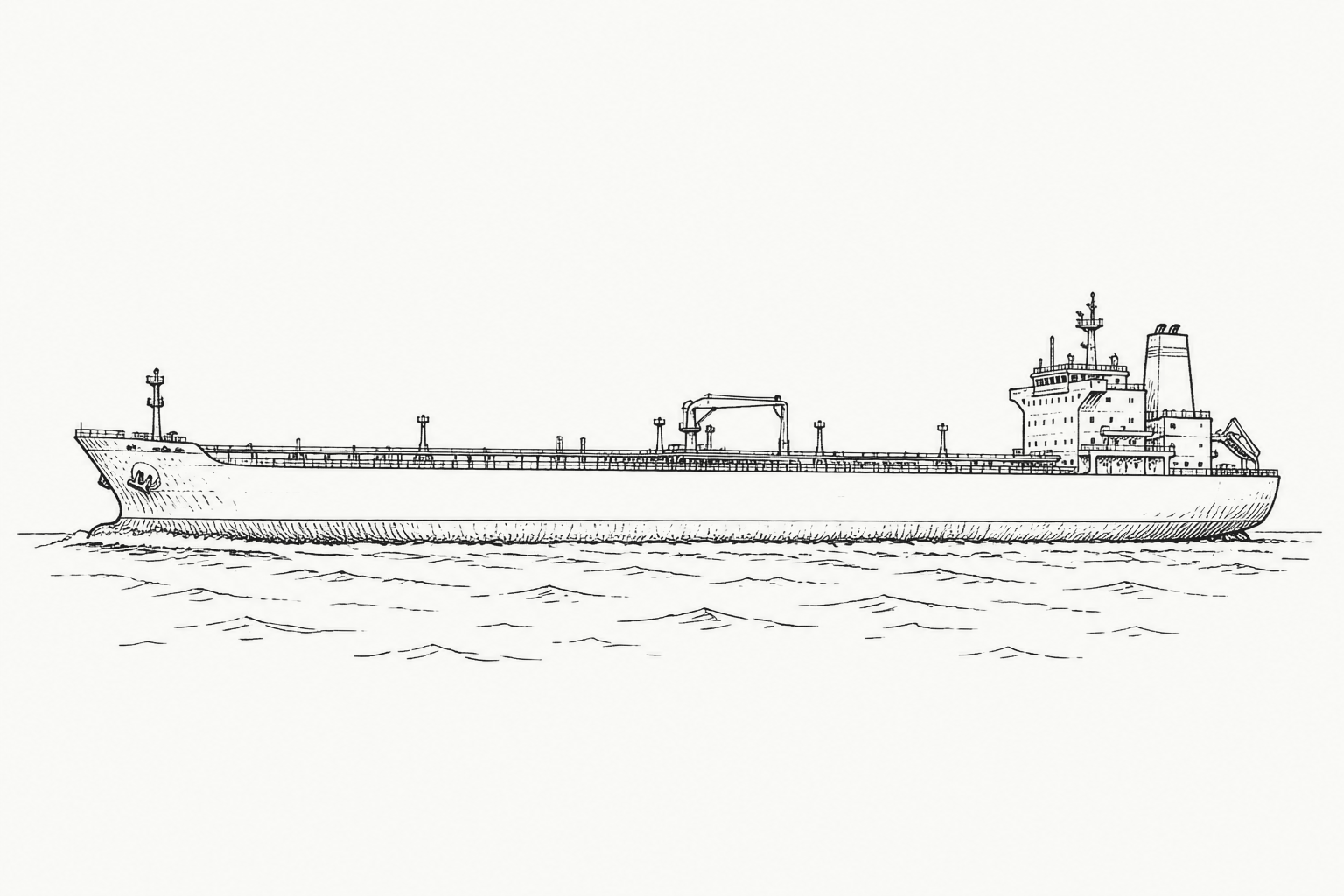
Earlier Tuesday, a U.S. fighter jet disabled an oil tanker bound for the Iranian port of Kharg Island after the vessel "ignored repeated warnings," The Hill reported. U.S. forces have now disabled six commercial vessels and redirected 122 since the naval blockade began on April 13.
On the counterparty
Iran's Foreign Ministry condemned what it called U.S. attacks on an Iranian oil tanker in the Strait of Hormuz and on the Qeshm telecommunications tower, saying the strikes violated a ceasefire understanding and international law. The ministry said Kuwait and Bahrain bore "direct and clear responsibility" for the attacks, alleging that their territory had been used to support U.S. operations against Iran, and said Tehran reserved the right to strike the source of any future attacks. The IRGC also claimed to have hit the Fifth Fleet headquarters in Bahrain, a claim CENTCOM denied.
Iran's chief negotiator, Mohammad Bagher Ghalibaf, told Lebanese Parliament Speaker Nabih Berri that Tehran could abandon talks and move toward confrontation if Israeli attacks on Lebanon continue. Iranian state media reported that Tehran has not communicated with Washington for several days.
In Washington
Rubio told the Senate on Tuesday that diplomacy was still working. "They have agreed to negotiate aspects of their nuclear program that just a month ago or just a year ago they were refusing to even mention, much less enter into discussions about," he said in his first congressional appearance since the war began. Pressed by Senator Cory Booker, Democrat of New Jersey, on whether the United States was negotiating from a position of strength in a stalemate, Rubio answered, "The war is over." He also told lawmakers that Iran's supreme leader, Mojtaba Khamenei, is alive and "increasingly engaged" in negotiations.
Talks have centered on Iran relinquishing its enriched uranium and nuclear program in exchange for sanctions relief, the lifting of the U.S. blockade and the reopening of the Strait of Hormuz. Tehran is seeking access to billions of dollars in frozen oil revenues and waivers on crude exports.
The counterpoint
Democrats on Capitol Hill rejected the administration's framing that the war is winding down. Booker argued during Rubio's testimony that American leverage is eroding the longer the strait stays shut and the ceasefire remains unsigned, an objection sharpened by Wednesday's casualties in Kuwait. Iranian officials, for their part, say Israel's expanding campaign in southern Lebanon, where six people were killed and at least 48 wounded in the Tyre district over the past day, has already broken the April 8 understanding from their side.
What's next
A top Emirati official, presidential adviser Anwar Gargash, called for a unified Gulf response, writing on X that "No Gulf state should be left to face these attacks alone, because the security of the Gulf Cooperation Council (GCC) states is interconnected, their interests are shared, and their destiny is one and the same." Whether the Gulf Cooperation Council answers that call, and whether Tehran returns to the table or follows through on Ghalibaf's warning, will shape the next phase of a war that the Trump administration insists is already over.