One hundred days into the U.S.-Israel war on Iran, the average American household has spent $750 more than it otherwise would have, the S&P 500 has erased its wartime losses and set records, and a petrochemical plant on the Saudi coast has emerged as the most consequential bottleneck few consumers have heard of.
Drawn from CNBC reporting Sunday and a Moody's Analytics analysis cited by Al Jazeera, the split-screen toll captures a conflict that has rewired energy flows, lifted U.S. consumer prices to their highest annual rate in nearly three years and now threatens an autumn squeeze on phones, laptops and AI servers. Friday's exchange of drones and missiles across the Gulf showed the fragile ceasefire fraying.
What households pay
Moody's calculates U.S. households have spent $750 more on average because of the war, with $447.19 on energy. The U.S. consumer price index ran at 3.8 percent in April, its highest annual rate in almost three years, led by gasoline, jet fuel and natural gas.
"This is a big economic blow," Mark Zandi, chief economist at Moody's Analytics, wrote on X, adding that the burden falls on "already hard-pressed middle- and lower-income households." Michael Klein, a Tufts University international economic affairs professor, told Al Jazeera that lower earners "spend a bigger proportion of their income on goods and services each month than people at the higher levels of income who can save."
Sixty-six percent of Americans disapprove of President Trump's handling of the conflict, a CBS News poll found, and 61 percent called the action "a mistake" in an ABC News/Washington Post Ipsos survey.
On the Street
Wall Street has read the data differently. The S&P 500 has wiped out post-strike losses and pushed to new highs, lifted by chipmakers tied to AI spending. Brent crude trades about 36 percent above its pre-war level and U.S. West Texas Intermediate is still up nearly 50 percent, though both have come off wartime peaks.
Iain Barnes, chief investment officer at Netwealth, said equities had priced in a swing from a "benign disinflationary environment" into a stagflationary one, only to be lifted by AI capital spending. "This has seen equity markets power higher but clearly led by those companies in the U.S. and Asian markets which are seen as direct beneficiaries of AI spending," he wrote. The 30-year Treasury yield hit its highest level since before the Financial Crisis last month.
The Jubail bottleneck
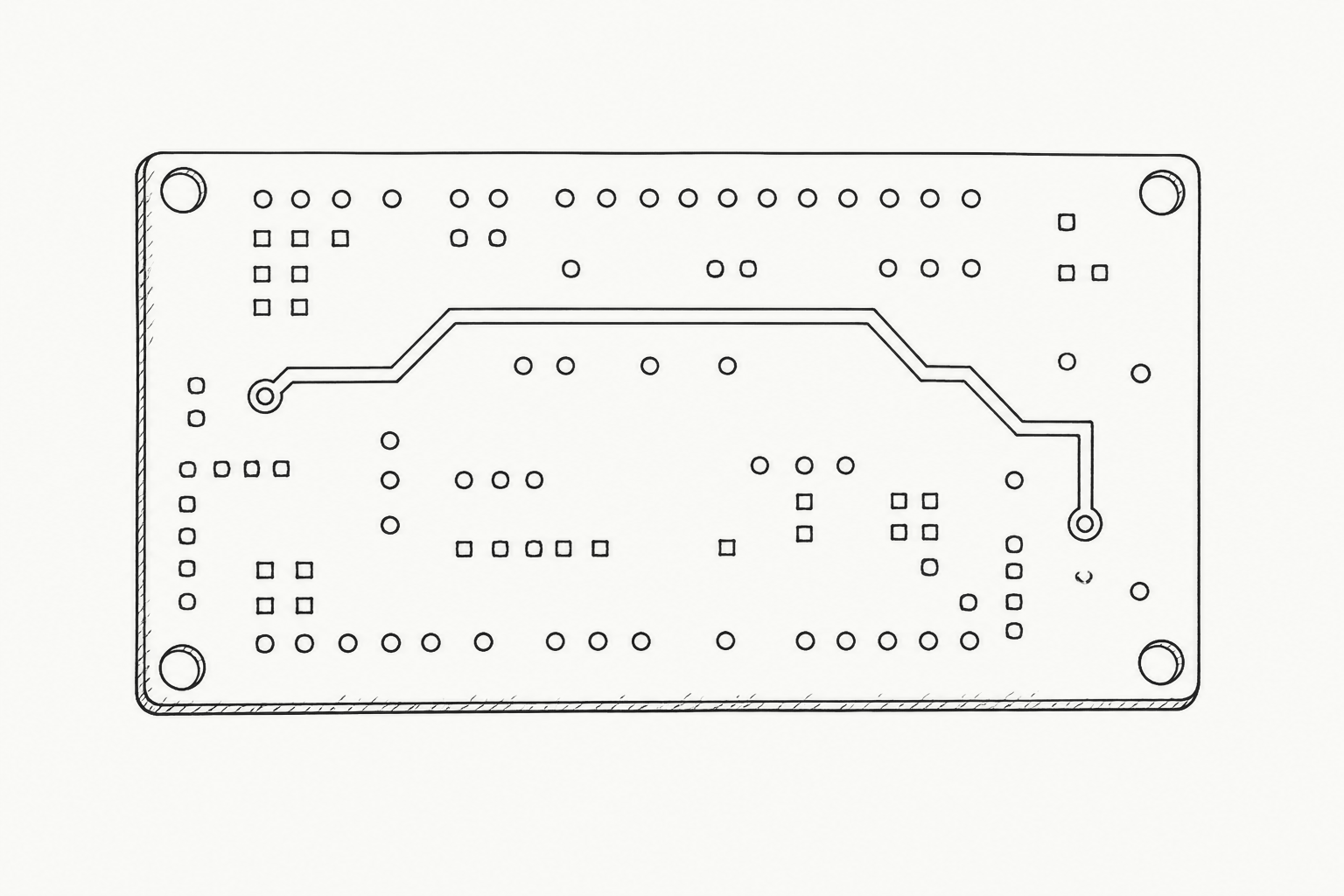
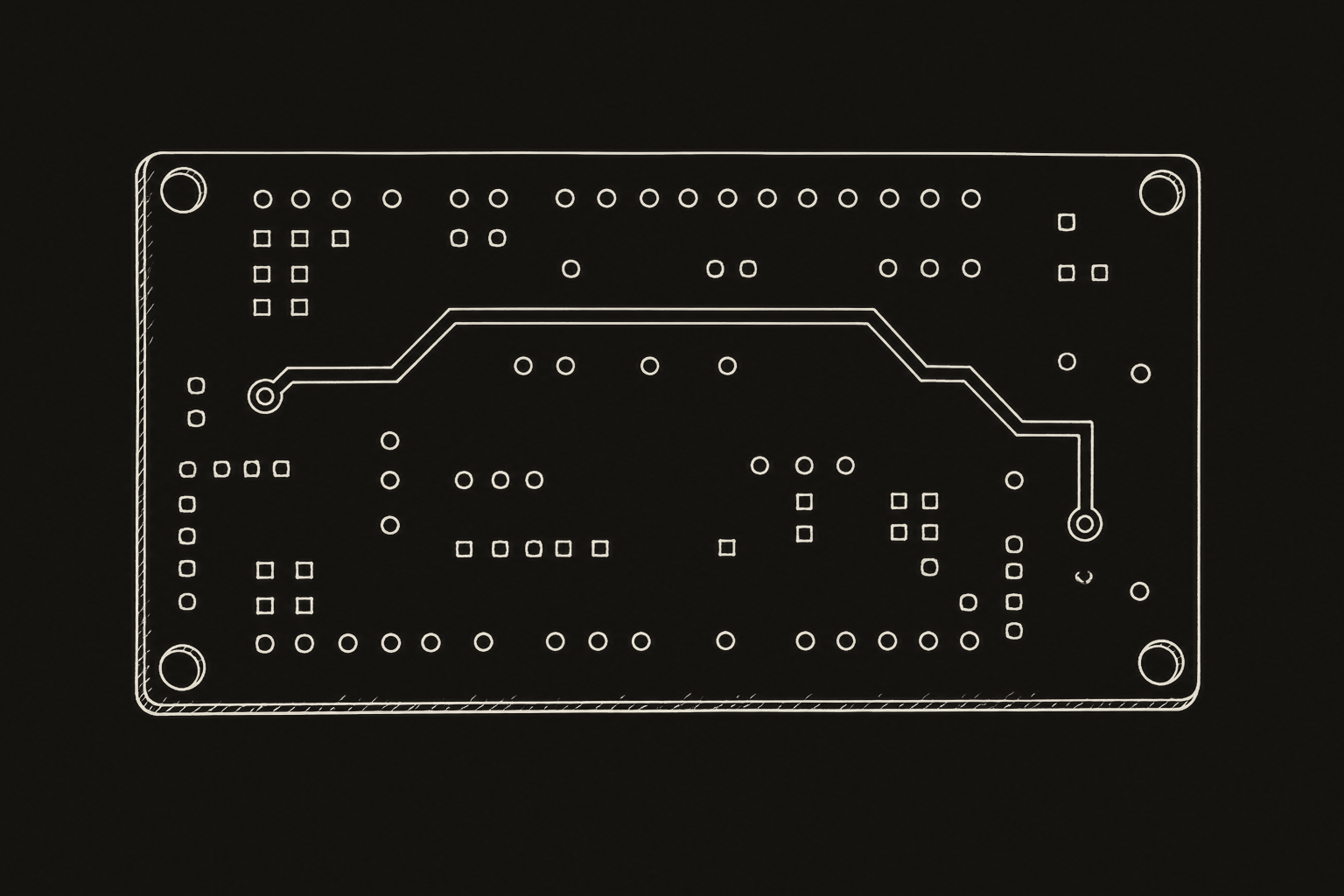
The quieter shock is industrial. Iran's effective closure of the Strait of Hormuz forced the shutdown of the Jubail petrochemical complex on the Saudi coast in late March, and Iranian missile strikes on April 6 and April 7 knocked the plants out entirely. Jubail supplied about 70 percent of the world's high-purity polyphenylene ether resin, the binding material in advanced printed circuit boards, according to Wichita State University supply-chain professor Usha Haley.
Dow's chief executive, whose company runs a joint venture at Jubail with Saudi Aramco, told investors on an April 23 earnings call the complex faces a "275 day-plus" reopening, gated less by repairs than by the closed strait. PCB prices have risen 40 percent in a month, Haley said, and epoxy-resin lead times have stretched from three weeks to 15.
U.S. PCB maker TTM, whose shares are up more than 400 percent in the past year, has told customers it is raising prices by 5 to 25 percent. Mark Vena, chief executive of SmartTech Research, said the pass-through will arrive without fanfare. "In all probability, consumers probably will not hear 'PPE resin shortage' at the Apple Store, but they may feel it in higher prices, longer repair times, tighter launch inventory, and fewer discounts," Vena said.
Counterpoint
Right-leaning outlets did not weigh in on the 100-day accounting in the reporting available, leaving the White House case unrepresented. The bullish read came from the market: Toni Meadows of BRI Wealth Management said the U.S. is largely self-sufficient in oil and that investors "seem willing to believe that neither Trump nor the Iranians want to prolong this conflict."
The next test arrives with the June consumer-price report and second-quarter electronics guidance from Apple and Nvidia suppliers, with Jubail's restart still unscheduled.