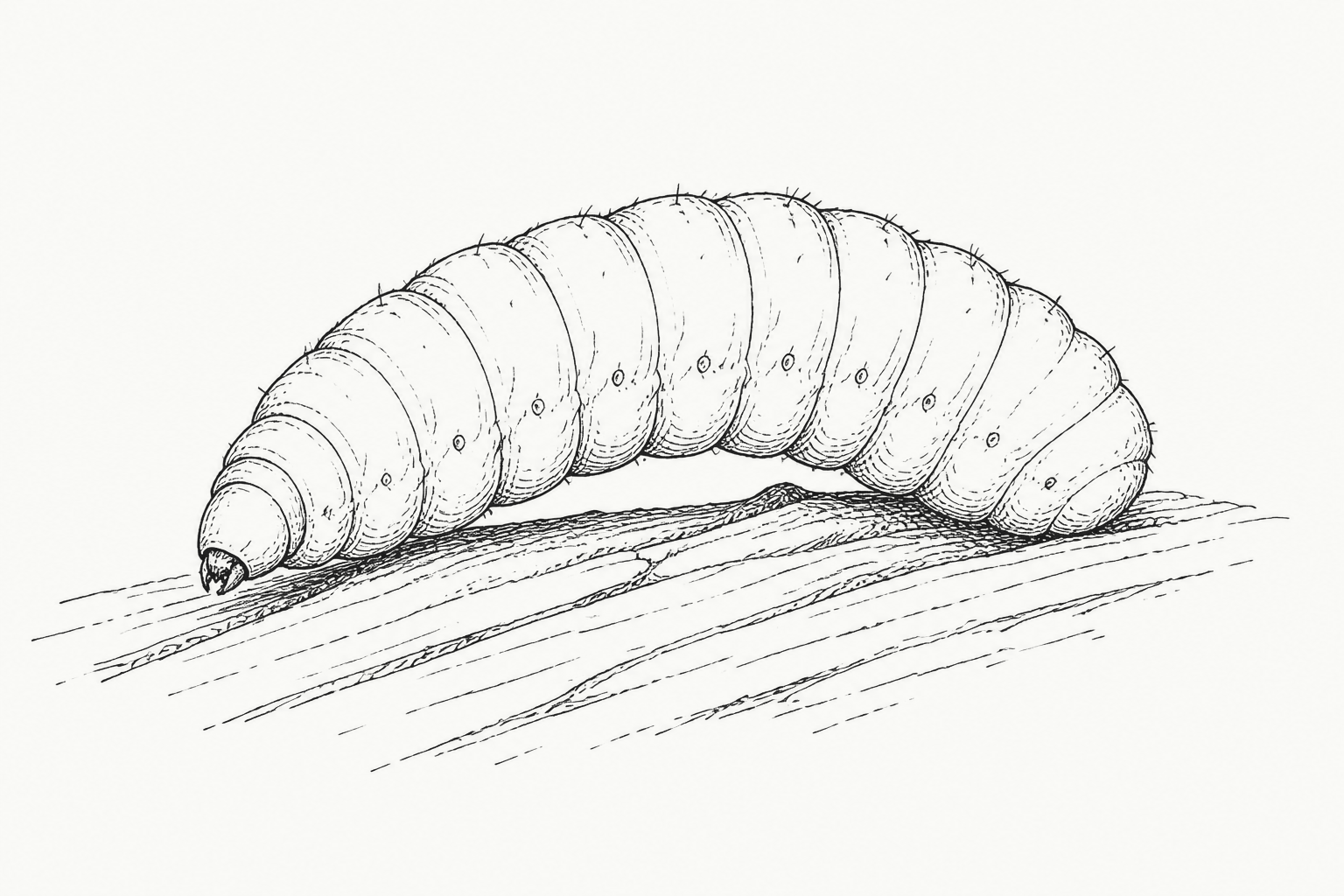
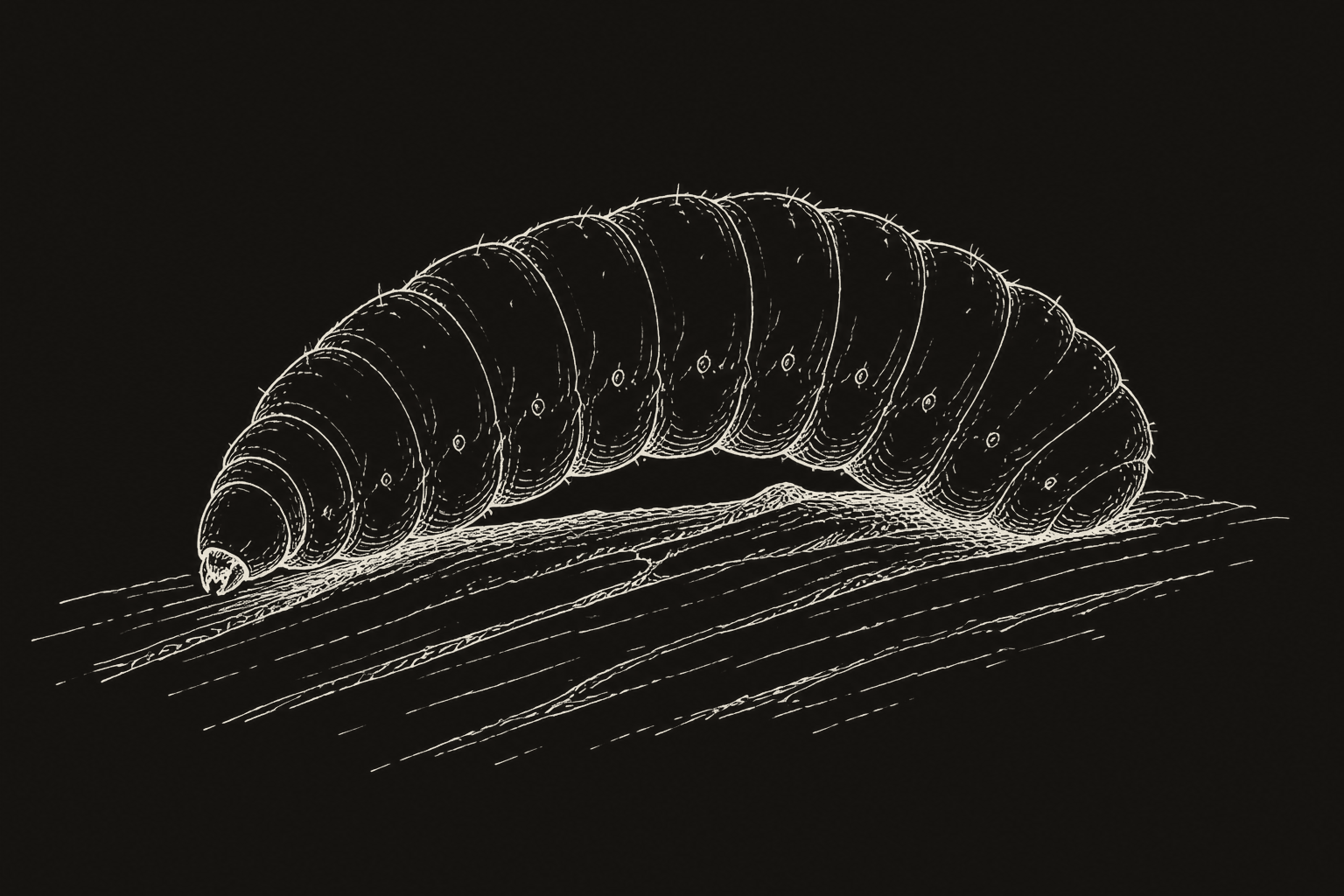
The U.S. Department of Agriculture's Animal and Plant Health Inspection Service confirmed Friday a second case of New World screwworm in Texas, found in a one-month-old calf in Zavala County about 5.6 miles from the first detection earlier in the week. Within hours, the Canadian Food Inspection Agency said it would temporarily bar livestock, including horses, that originated in or transited Texas within 21 days of crossing the border.
The second detection turns a containment story into a cross-border trade story. Wednesday's discovery was the first natural-incursion screwworm case in U.S. cattle since 1982. Friday's confirmation, inside the same movement-control zone, forces the U.S. to resume a sterile-insect campaign it scaled back after eradicating the species from North America two decades ago.
What is new
The Zavala County calf was identified inside the quarantine perimeter regulators drew after the first infestation. Additional samples from the surrounding area have tested negative so far, USDA said, and officials noted the new case was found where sterile flies are already being released to suppress the population.
"USDA has not wasted any time in this fight, we have defeated New World screwworm before, and we will do it again," Dudley Hoskins, the agency's Under Secretary for Marketing and Regulatory Programs, said in a statement.
Canada's restriction is the first foreign trade action tied to the Texas outbreak. Animals present in the state at any point in the prior three weeks will not be allowed entry, the agency said.
The playbook
The response will replay a campaign first mounted in the late 1950s: irradiate male flies, release them by the hundreds of millions, and starve wild females of viable mates. Because female screwworms mate only once, the math collapses the population. USDA is spending $750 million on a Texas plant designed to produce about 300 million sterile flies a week, roughly triple current capacity, but it will not be operational until late 2027 at the earliest.
Until then, the U.S. depends on an aging facility in Panama. A widespread outbreak would cost the Texas economy about $1.8 billion a year, according to 2024 USDA estimates.
A bioethics debate
The pest's return has reopened a question among researchers about whether to drive it extinct rather than push it south again. A group of bioethicists and biologists convened in 2024 and published its perspective in Science last year.
"There are some species that it’s worth considering wiping out altogether and I do think the screwworm is one," Gregory Kaebnick, a senior research scholar at the Hastings Center for Bioethics, told NBC News. Kaebnick said the gene-modification tools required are not ready for field release.
The counterpoint
Friday's reporting leaned on federal agencies and academic researchers; Texas ranchers and the broader livestock industry were largely absent beyond a Texas Farm Bureau statement urging vigilance. The economic exposure for cow-calf operators facing a 21-day Canadian export hold has not yet been quantified, and producer groups had not detailed their response by press time.
USDA's next milestone is the Texas sterile-fly plant, expected to open in late 2027 — leaving an 18-month window in which containment depends on the Panama facility and the Zavala County control zone.