President Trump declared Sunday that a deal to end the U.S.-Iran war was complete, lifted the American naval blockade of Iran with immediate effect and set a formal signing ceremony for Friday in Switzerland, firming up a timeline that had slipped a day earlier when Tehran disputed his Sunday signing date. Pakistani Prime Minister Shehbaz Sharif, whose government mediated the talks, said the signing will take place June 19 in Geneva.
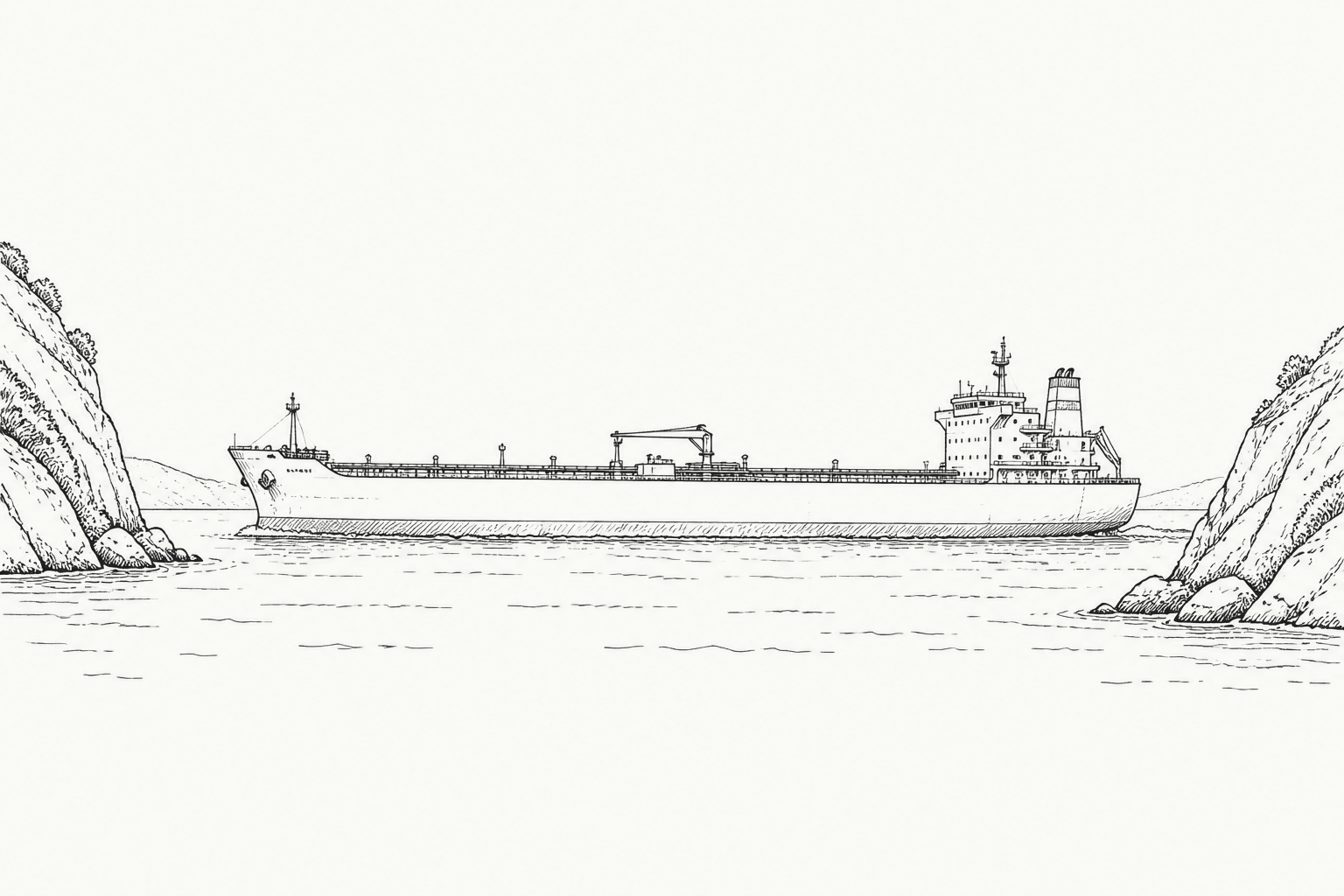
The announcement converts the framework Trump floated last week into a concrete sequence: pre-implementation meetings in Doha this week, the Geneva signing Friday and a 60-day window of technical talks on Iran's nuclear program, sanctions and regional security. It also resolves, at least on paper, the status of the Strait of Hormuz, the chokepoint for roughly a fifth of seaborne oil, which Iran declared closed last week after the second night of U.S. strikes inside the country.
What is signed
The text of the memorandum of understanding has not been released. Iran's deputy foreign minister for legal and international affairs, Kazem Gharibabadi, said the document has been finalized and will be made public after Friday's signing. He said the agreement "does not signify trust in the enemy and was drafted in an atmosphere of continued distrust," according to the Iranian state Tasnim news agency.
Iran's Supreme National Security Council said the deal includes an immediate halt to military operations "on all fronts, including Lebanon," and an immediate end to the U.S. naval blockade. Gharibabadi said the 60 days of follow-on talks are meant to produce a final settlement on Iran's nuclear program, sanctions relief and the future of the strait. He added that the nuclear track could begin only if the United States releases billions of dollars in frozen Iranian funds, a claim Washington dismissed, CNBC reported.
Trump's reaction, posted to Truth Social, focused on shipping. "I hereby fully authorize the toll free opening of the Strait of Hormuz, and, simultaneously herewith, authorize the immediate removal of the United States Naval blockade," he wrote. "Ships of the World, start your engines. Let the oil flow!" He clarified in a follow-up post that the strait would open Friday "for purposes of mine removal," not general traffic. Iran's Mehr news agency said the reopening would be subject to "Iranian arrangements."
On the strait
Markets responded before the ink dried. Stocks rose Monday, oil prices fell and bond yields declined, CNBC reported, as traders priced in a near-term unwind of the energy shock that has driven U.S. inflation higher every month since the fighting began Feb. 28. Qatar, whose mediators left Tehran on Sunday after 17 hours of negotiations, welcomed the deal. European Union President Antonio Costa wrote that he looked forward to "an end to this costly war and to the full restoration of freedom of navigation in the Strait of Hormuz." French President Emmanuel Macron called the resumption of maritime traffic "an indispensable condition for regional stability and the global economy."
The Israel problem
Israel is not a party to the agreement, and its government has signaled it does not consider itself bound by it. Prime Minister Benjamin Netanyahu told Trump that Israel will not pull its troops from Lebanon and does not consider itself obligated to honor the Lebanon-related portions of the deal, the Israeli news service Ynet reported, citing Israeli sources. Defense Minister Israel Katz said Monday that the military would "remain in the security zones in Lebanon, Syria and Gaza for an unlimited period of time." Far-right National Security Minister Itamar Ben-Gvir wrote that the agreement "does not bind us. Israel is not subject to the United States, and we are an independent and sovereign nation!"
That fault line is the central risk to the deal. Iran's Supreme National Security Council insists the ceasefire covers Lebanon, where Israeli forces occupy roughly a fifth of the country's territory and where Israeli strikes on Beirut's southern suburbs Sunday delayed the announcement by hours. Trump told Axios he was "so p***** off" at Netanyahu over the strikes, asking, "Why did Bibi have to do a f****** attack?" Gideon Levy, a columnist for the Israeli newspaper Haaretz, told Al Jazeera that the deal is widely seen in Israel as "the defeat of Israel and the personal defeat of Netanyahu."
The counterpoint
Independent analysts cautioned that the announcement defers the hardest questions rather than answers them. Torbjorn Soltvedt, principal Middle East analyst at the risk intelligence firm Verisk Maplecroft, told CNBC the deal leaves the underlying confrontation unresolved. "The threat of renewed conflict will remain in the coming months," he said. "Pushing the most difficult issues into later negotiations prolongs uncertainty and leaves the underlying confrontation unresolved." The reported 14-point memorandum, according to details published by Iran's Mehr news agency and not independently verified, contains no provision for disarming the Iran-backed group Hezbollah, a stated Israeli war aim, and no requirement that Israel withdraw from southern Lebanon. Trump told The New York Times that Iran would be permitted to enrich uranium only "for nonmilitary purposes. Forever." None of the body-tier sources reviewed carried on-the-record reaction from congressional Republicans, whose objections to any concession on enrichment will shape whether the framework holds past Friday.
The Geneva signing is set for June 19. Israel and Lebanon are scheduled to meet separately in Washington on June 22 to revisit an earlier ceasefire that broke down.