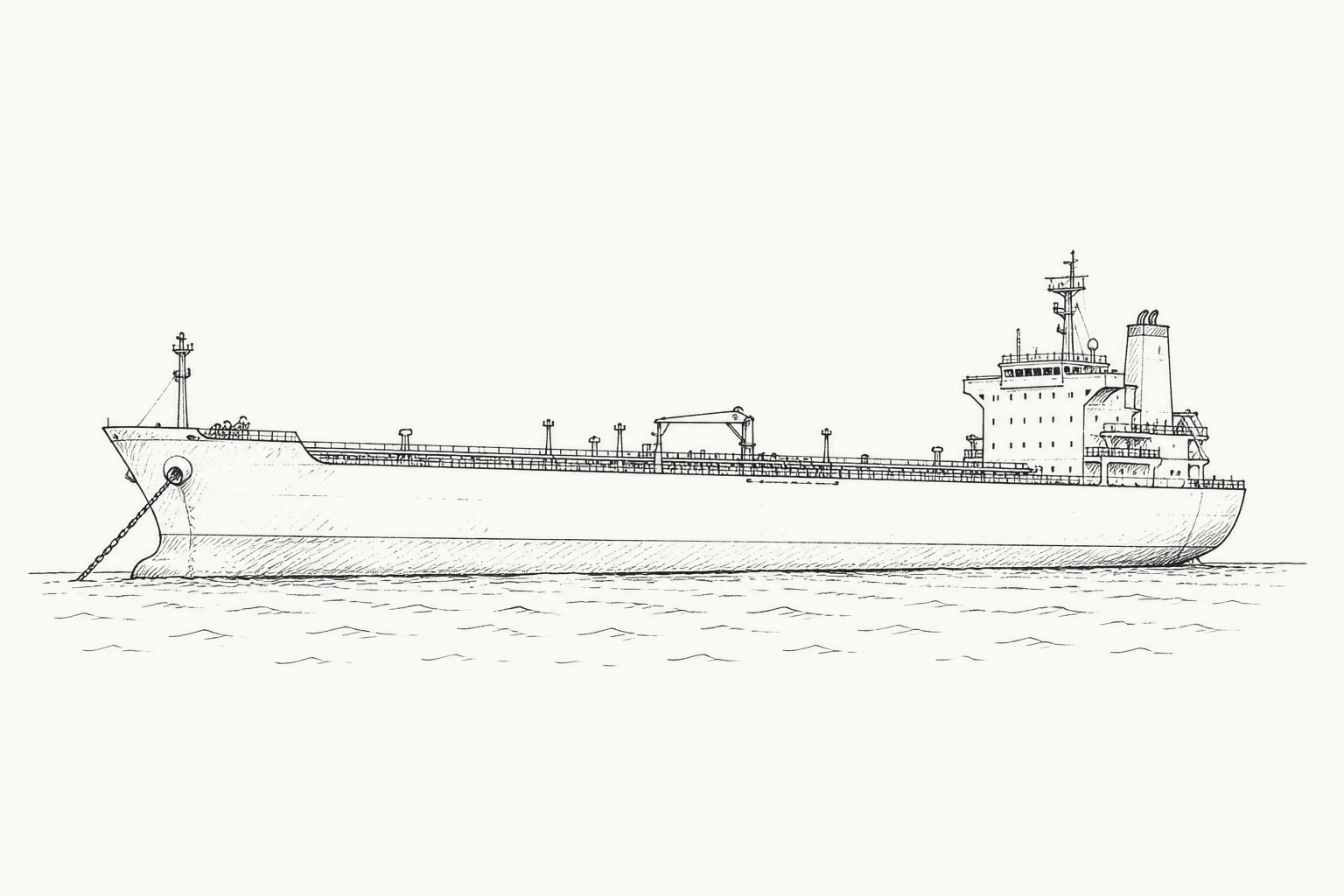
Traffic through the Strait of Hormuz collapsed this week, with just 23 tankers and cargo ships crossing the waterway on Wednesday, down from 47 a week earlier and a fraction of the 138-a-day pre-conflict average, the maritime intelligence firm Kpler said. The U.S.-recommended corridor through Omani waters, which had averaged about 10 vessels a day, saw none at all.
The drop puts the June 17 memorandum of understanding to reopen the strait in doubt three weeks after it was signed. About a fifth of the world's oil and gas moves through Hormuz, and crude has rallied more than 6 percent this week as traders weigh a repeat of the months-long closure that followed the February U.S.-Israeli strikes on Iran.
The shipping picture
Matt Smith, director of commodity research at Kpler, told CNBC that 13 tankers crossed Hormuz on Wednesday against an average of 33 a day the previous week. Ships have either shifted to the northern lane Iran controls or switched off their transponders to avoid tracking, he said. Data from the maritime intelligence firm Windward showed just five commercial vessels crossed overnight into Thursday, with no outbound tankers.
The southern corridor along Oman's coast, protected by the U.S. Navy and endorsed by the multinational Joint Maritime Information Center, has fared worst. Usage peaked at 28 vessels on June 25. Three ships used it Tuesday. Zero used it Wednesday. The three vessels struck this week, a Qatar-owned liquefied natural gas tanker, a Saudi-owned crude tanker and a Liberia-flagged crude carrier, were all transiting close to that lane.
Iran's northern route
Tehran has repeatedly said the only "safe" passage runs along its own coast. Its top military command, Khatam al-Anbiya Central Headquarters, reiterated after this week's attacks that the only safe route is "the route determined by the Islamic Republic of Iran." Iran plans to begin charging transit fees once the 60-day safe-passage window in the memorandum expires in mid-August. President Trump has called any such fees "unacceptable."
Michelle Wiese Bockmann, a senior maritime intelligence analyst at Windward, told CNBC the attacks are "part of this sporadic targeted campaign by Iran to destabilize that southern corridor and send a message to Gulf State producers that are not sending their oil via that northern corridor." About 6,000 seafarers remain stranded in the Gulf, the International Maritime Organization said.
Crude has climbed but has not spiked to closure levels. Andy Lipow, president of Lipow Oil Associates, told clients Thursday the market "appears to be pricing in a new normal where periods of conflict (perhaps we might call them missile skirmishes) occur between periods of relative calm (or unease) that permit the transit of tankers." Martin Kelly of EOS Risk Group told the BBC that "shipping will peak and trough cautiously until Iran attacks another ship and the cycle starts again."
The 60-day safe-passage window runs to Aug. 16. Trump, speaking at the NATO summit in Ankara on Wednesday, said the memorandum was "over" but that talks with Iran could continue.