The U.S. military struck about 140 Iranian sites Saturday night, hours after Iran's Revolutionary Guards disabled a Cyprus-flagged container ship in the Strait of Hormuz and declared the waterway closed to all traffic "until the end of America's interventions in the region."
U.S. Central Command said its bombing began at 7:15 p.m. Eastern time and hit missile and drone facilities, ammunition storage, naval assets, communication networks and coastal surveillance sites along Iran's southern coast. The salvo was the third American round in seven days and pushed the week's target count past 300, according to Centcom. "Iran made a poor choice. Now they pay," Defense Secretary Pete Hegseth wrote on X. Iranian officials say the earlier two rounds killed 17 people and wounded 115.
Tanker attack
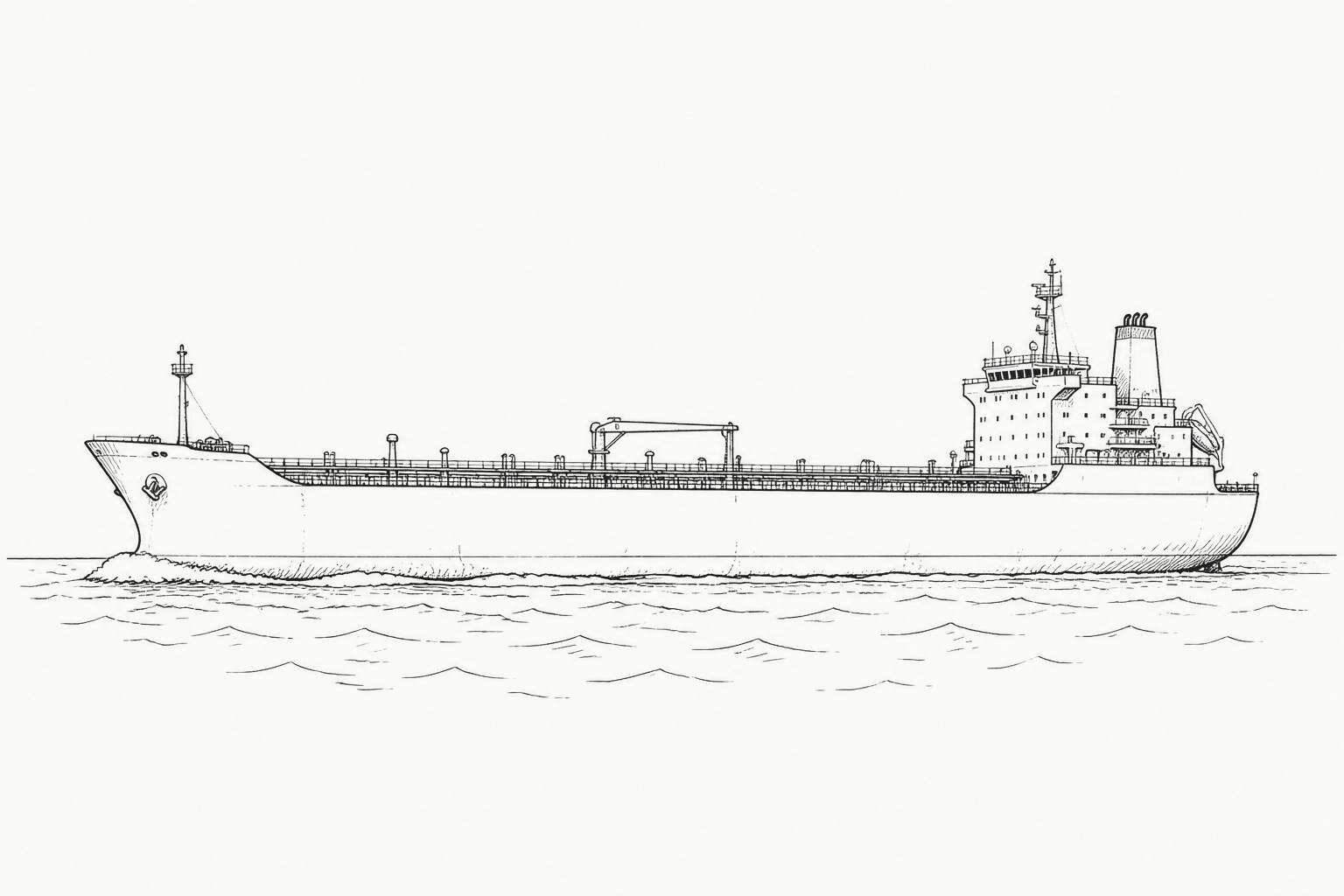
The trigger was an Iranian missile that hit the M/V GFS Galaxy as it moved along a southern shipping lane through Omani waters. The ship suffered an engine-room fire and was left unable to continue its journey, Centcom said, with one civilian crew member missing. The U.K.'s Maritime Trade Operations said the crew had abandoned ship into a lifeboat. The Islamic Revolutionary Guard Corps called the missile a "warning shot" and said the vessel had ignored repeated instructions to use a northern route through Iranian territorial waters.
Iran hits five states
Tehran retaliated across the Gulf. The IRGC said it fired ballistic missiles at the Prince Hassan Air Base in Jordan, claiming to have destroyed a command-and-control center and hangars housing MQ-9 drones. It said it also targeted Al Udeid airbase in Qatar, a Patriot battery in Kuwait, communications and radar sites in Bahrain and refueling platforms at the port of Duqm in Oman. Qatar's Interior Ministry said three people, including a child, were wounded by falling shrapnel from intercepted fire. Bahrain sounded air-raid sirens, and Kuwait's army said it was confronting "hostile aerial targets."
Broken understanding
The June 17 memorandum of understanding between the U.S. and Iran committed Tehran to safe passage through Hormuz for 60 days but left the transit lanes undefined. Iran has demanded ships use its territorial waters; the U.S. Navy has escorted them through Omani waters instead. "The underlying problem here is that the memorandum of understanding did not reach an understanding with respect to the management of ship traffic through the strait," David Goldwyn, a former State Department energy envoy under President Barack Obama, told CNBC. "It essentially punted that issue."
Traffic collapses
The strait, which carries roughly 20 percent of global energy flow, has thinned dramatically since Iran's Monday strikes on three tankers. Vessel traffic has fallen sharply as insurance and security concerns mount, CBS News reported. Energy Secretary Chris Wright told a New York conference on June 24 that "Iran will not have the ability to close the Strait of Hormuz going forward."
Tehran's case
Iran frames the exchange as U.S. law-breaking. Officials told state media that the U.S. Navy has been forcing an "illegal route" through the strait and that the June deal preserves Tehran's authority over transits. Parliamentary speaker and chief negotiator Mohammad Bagher Ghalibaf wrote on X that "the era of one-sided deals is OVER. We told you: keep your word or pay the price. Reality is knocking." Al Jazeera reported that Foreign Minister Abbas Araghchi had been in Muscat only hours before the tanker attack, discussing an Omani proposal to permit non-compulsory transit fees.
What comes next
U.S. officials say they have relayed a single demand to Tehran through mediators: publicly reopen Hormuz and pledge no more fire on commercial shipping. Iran's new Supreme Leader Ayatollah Mojtaba Khamenei, in his first public statement since his father's burial Friday in Mashhad, pledged revenge for the elder Khamenei's Feb. 28 killing. Whether talks resume before a fourth round of strikes will decide how quickly the strait refills.