China's Jingye Group said Sunday it would pursue "full compensation through legal means to the very end" from the British government over the nationalisation of the Scunthorpe steelworks, opening a legal contest that Beijing has framed as a test of the 1986 China-UK Bilateral Investment Treaty.
The written statement, Jingye's first public response since the UK took full ownership of British Steel on Thursday, hardens a dispute reaching Downing Street just as Andy Burnham prepares to be sworn in as prime minister on Monday.
The treaty test
China's commerce ministry, in a statement Friday, called on Britain to "faithfully fulfil" its obligations under the 1986 treaty, which it said was designed to promote and protect cross-border investment. The ministry said Thursday's move "seriously infringed upon Jingye's legitimate rights and interests and severely undermined the confidence of Chinese companies investing in the UK", and accused London of forcibly taking control "in the name of national security". Beijing said it would support Chinese firms to protect their rights, without specifying how.
London's position
A UK government spokesperson said Friday that in commercial talks with Jingye it "wasn't possible to reach an agreement that represented value to the taxpayer". Small Business Minister Blair McDougall told the House of Commons on Thursday that an independent valuer would be appointed in the autumn "to make a judgment on any compensation that is due, and that could be nil".
The plant
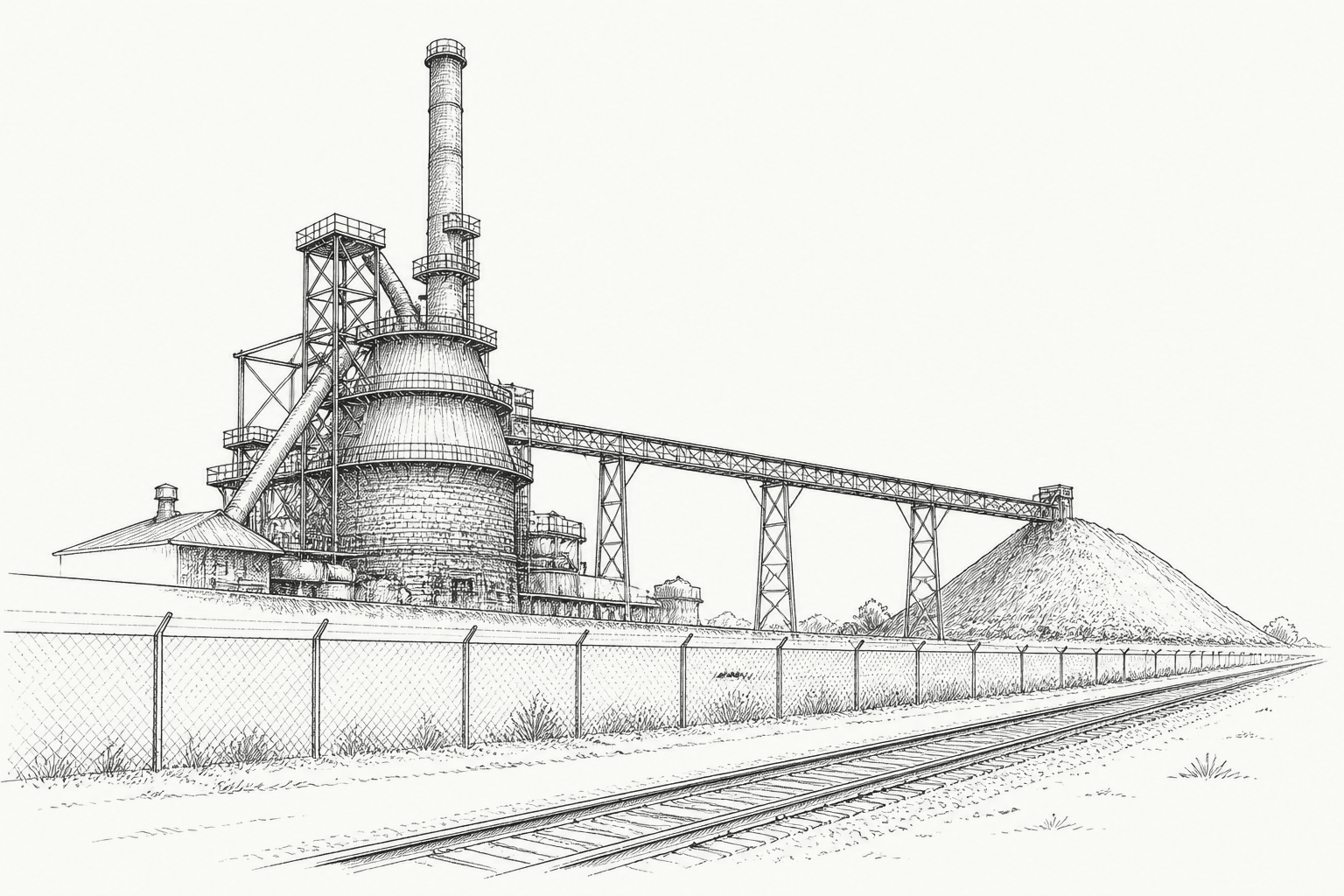
Jingye bought the loss-making Scunthorpe works in 2020 and launched a closure consultation in March 2025, saying the plant was losing 700,000 pounds a day. The UK took over operations that April, then passed enabling legislation Wednesday and executed the takeover Thursday. The National Audit Office in March put the cost to the state at about 1.3 million pounds a day. Business Secretary Peter Kyle told the BBC the government would continue to cover running costs "for the immediate future". The plant, which employs about 2,700 people, is Britain's last producer of virgin steel; without it, the UK would be the only Group of Seven economy unable to make primary steel.
The absent voice
The dispute has produced statements from London and Beijing but little from Jingye itself. The BBC said it has been unable to obtain a response from the company beyond its written pledge, leaving the corporate case for compensation absent from the record even as Chinese and British officials trade positions publicly.
The draft compensation regulations and the independent valuer's judgment are due in the autumn.