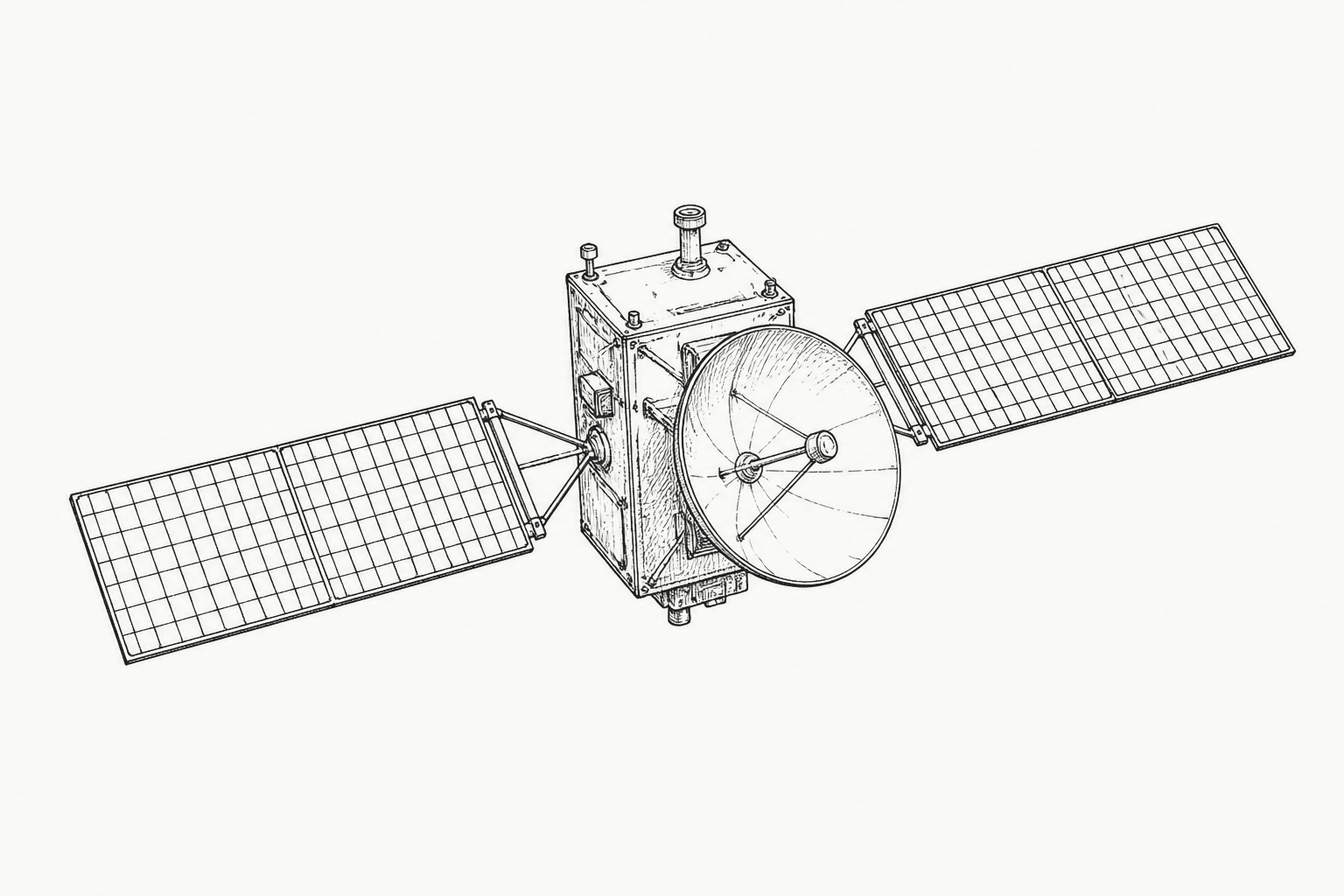
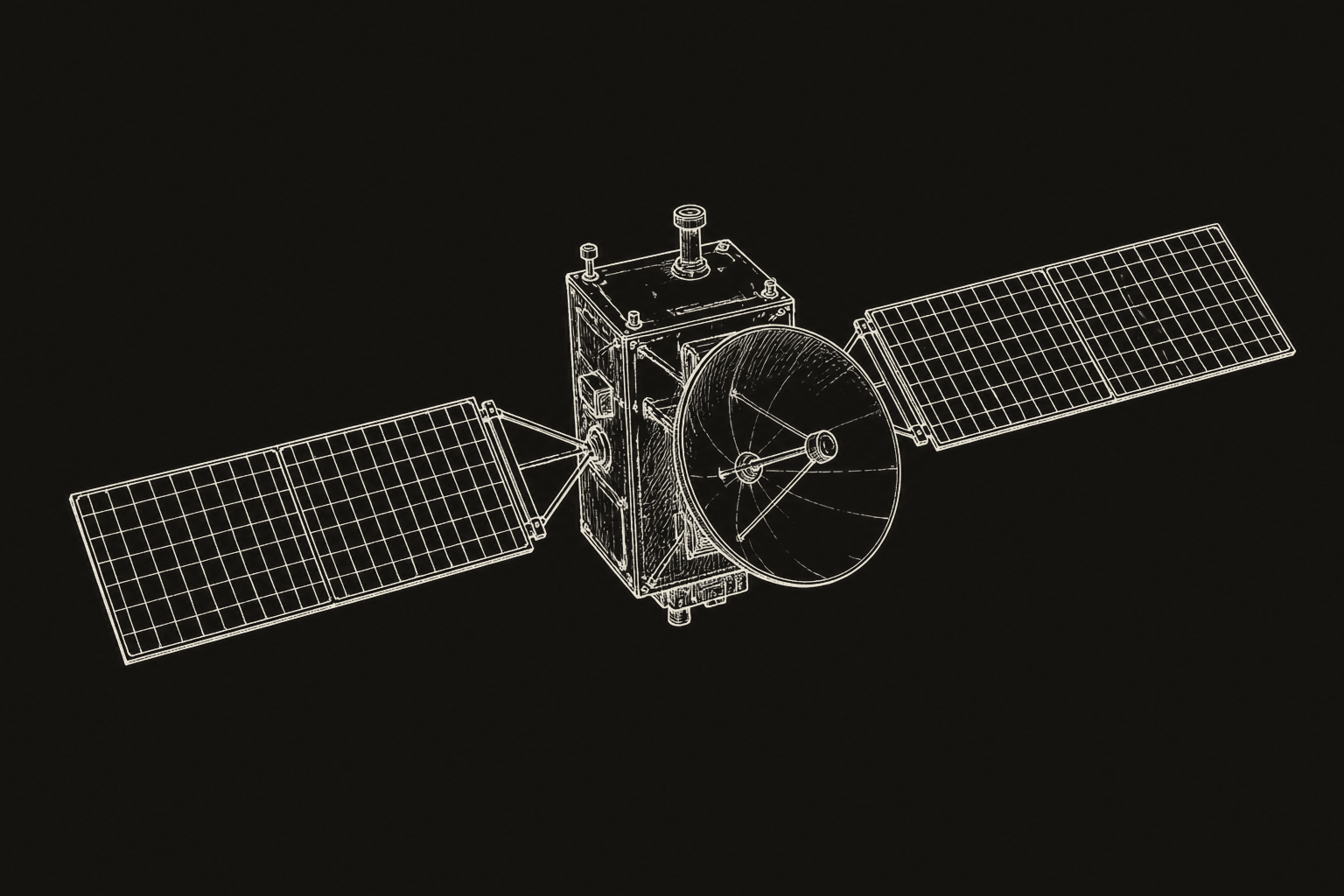
Amazon asked federal regulators to authorize the launch of 5,105 low-Earth-orbit satellites for a direct-to-device mobile network, according to a filing the company's Leo subsidiary submitted to the Federal Communications Commission over the weekend and disclosed Monday.
The application formalizes plans Amazon first outlined in April, when it agreed to acquire mobile-satellite operator Globalstar in a deal worth about $11.6 billion. The proposed network would combine Amazon's existing Leo constellation with Globalstar's satellites and licensed spectrum to deliver voice, messaging and data straight to smartphones — bypassing cell towers — for customers Amazon described in its filing as "unserved or underserved" by existing wireless carriers.
The competitor
The filing puts Amazon on a direct path to compete with SpaceX's Starlink Mobile, which offers direct-to-cell service in the United States through T-Mobile and has assembled wireless spectrum licenses purchased from EchoStar. SpaceX operates a low-Earth-orbit constellation of more than 10,000 satellites, a lead Amazon is still trying to close. Amazon has more than 390 Leo satellites aloft and recently told regulators the fleet is now large enough to begin "initial service" later this year.
The buildout
If the FCC clears the direct-to-device application, Amazon plans to begin deploying the constellation in 2028, according to the filing. The company has already lined up distribution partners. CBS News reported that Amazon Leo has signed agreements with DirecTV, HeroTel and Vodafone to resell the service once it launches. Amazon expects the Globalstar acquisition to close in 2027.
Amazon pitched the network to regulators as more than a consumer product. In its Monday statement, the company said the D2D service would enable "uninterrupted communications for disaster response, global fleet management, remote operations across worksites and supply chains, IoT connectivity for remote sensors, and emergency messaging when ground-based networks are unavailable."
Deadline pressure
Amazon is running behind the deployment schedule its original Leo authorization set. Last month, the FCC granted the company a waiver of its requirement to place 1,600 first-generation satellites in orbit by July 30, but Amazon must still launch the full 3,232-satellite first-generation constellation by July 2029.
The 5,105-satellite direct-to-device network would sit on top of that fleet, adding a second, larger buildout on a tight timeline. The FCC did not immediately respond to CBS News's request for comment on the application. Starlink, which launches its satellites on SpaceX's own Falcon 9 rockets, has faced no comparable regulatory throttle while building its lead.
Amazon said commercial rollout of the direct-to-device service would begin in early 2028.