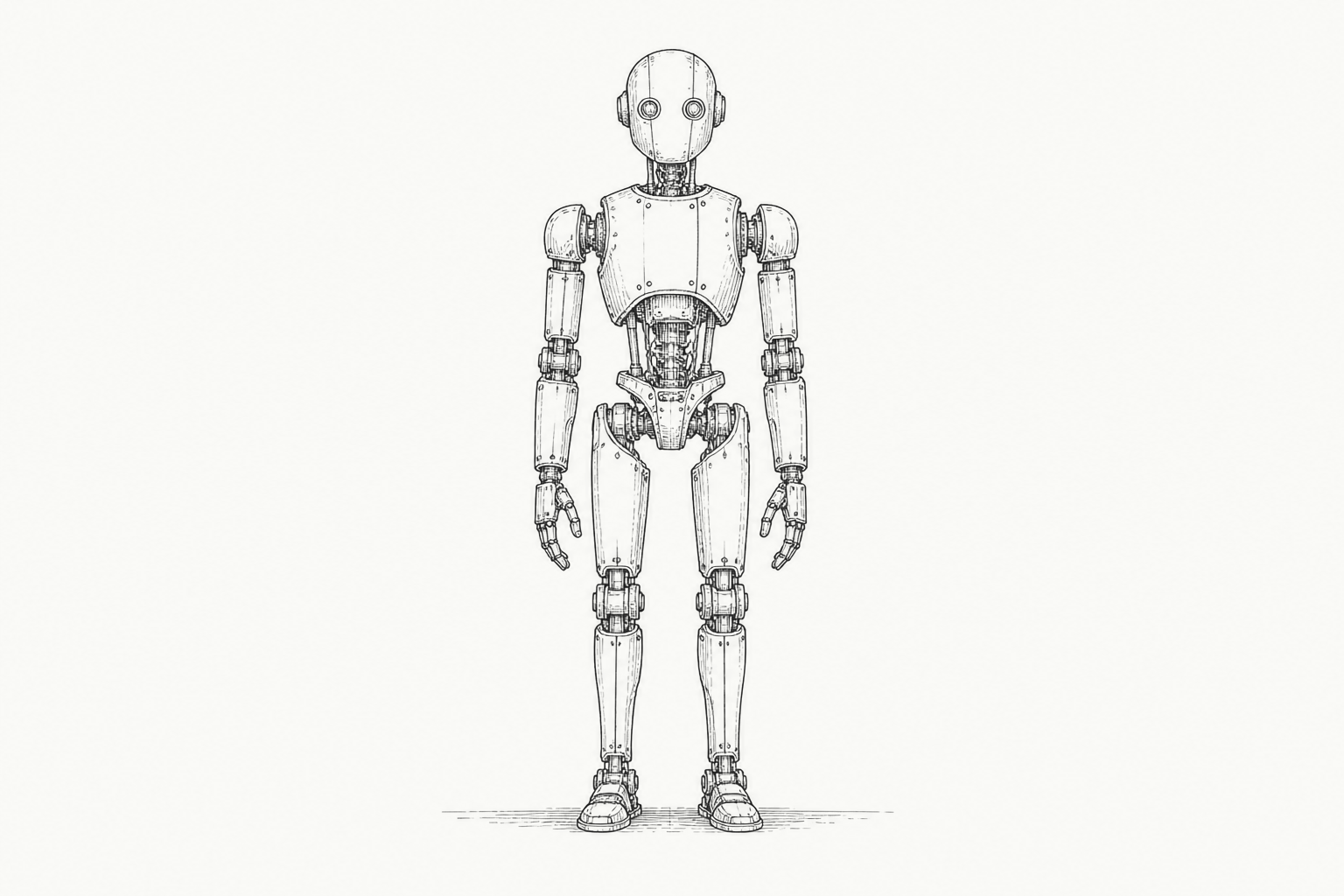
Shares of Unitree Robotics surged as much as 620 percent in their Shanghai trading debut Wednesday and closed 460 percent above the offer price, in the first initial public offering by a humanoid robot maker on mainland China's stock market.
The listing on Shanghai's STAR Market briefly lifted the Hangzhou-based company's market capitalization to 445 billion yuan ($66 billion), roughly seven times the $9 billion valuation set by its IPO price of 150.80 yuan a share ($22.36). The debut stamps a public price on a sector Beijing has designated a strategic priority and hands investors their first liquid gauge of appetite for two-legged machines.
The company
Unitree, officially Yushu Technology Co Ltd, was founded in 2016 by engineer Wang Xingxing and has built a lead over more famous Western rivals by shipping working hardware at prices well below theirs. The firm shipped more than 5,500 humanoid robots to customers worldwide last year and booked a 2025 net profit of 278 million yuan, according to the BBC, a rarity in a field where most competitors have yet to report meaningful revenue. Its child-sized G1 humanoid sells for about $13,500, while its robot dogs start at $2,700 versus roughly $70,000 for Boston Dynamics' Spot.
What just listed
Two days before the IPO, Unitree unveiled a model called Superman that the company says can jump two meters high and run 12.66 meters per second. Its main competitors include China's AgiBot and U.S.-based Tesla and Boston Dynamics, none of which have begun commercial deliveries of full humanoids at scale. China controls about three-quarters of the global market for humanoid robots and autonomous vehicles, JP Morgan estimates, and the bank projects worldwide humanoid sales to reach $300 billion by 2035, up from $2 billion in 2025.
"It is one of the few companies in humanoid robotics with genuine revenue, profitability and meaningful production volume," Rinat Mirzaitov, founder of Humanoid Analytics, told Al Jazeera. Fei Qin, an associate professor at the University of Bath, told the BBC that "Robots are where AI leaves the screen and enters the economy."
The caveat
The rally landed even as Washington moved to wall off Chinese humanoids from the U.S. market. The Trump administration in July announced a ban on imports of Chinese-manufactured humanoid robots on national-security grounds, a restriction Beijing dismissed as the "politicising" of trade. Mirzaitov cautioned that Unitree's hardware lead may not translate cleanly into staying power. "Its main challenge is turning hardware and manufacturing leadership into application and workflow leadership," he said. Harold Soh, a National University of Singapore researcher, told the BBC that useful home robots are still years away and that near-term deployments will concentrate in factories and hospitals.
More Chinese listings are queued behind Unitree, including AgiBot and Leju Robotics, while Unitree machines compete this week at the 2026 World Humanoid Robot Games in Beijing.