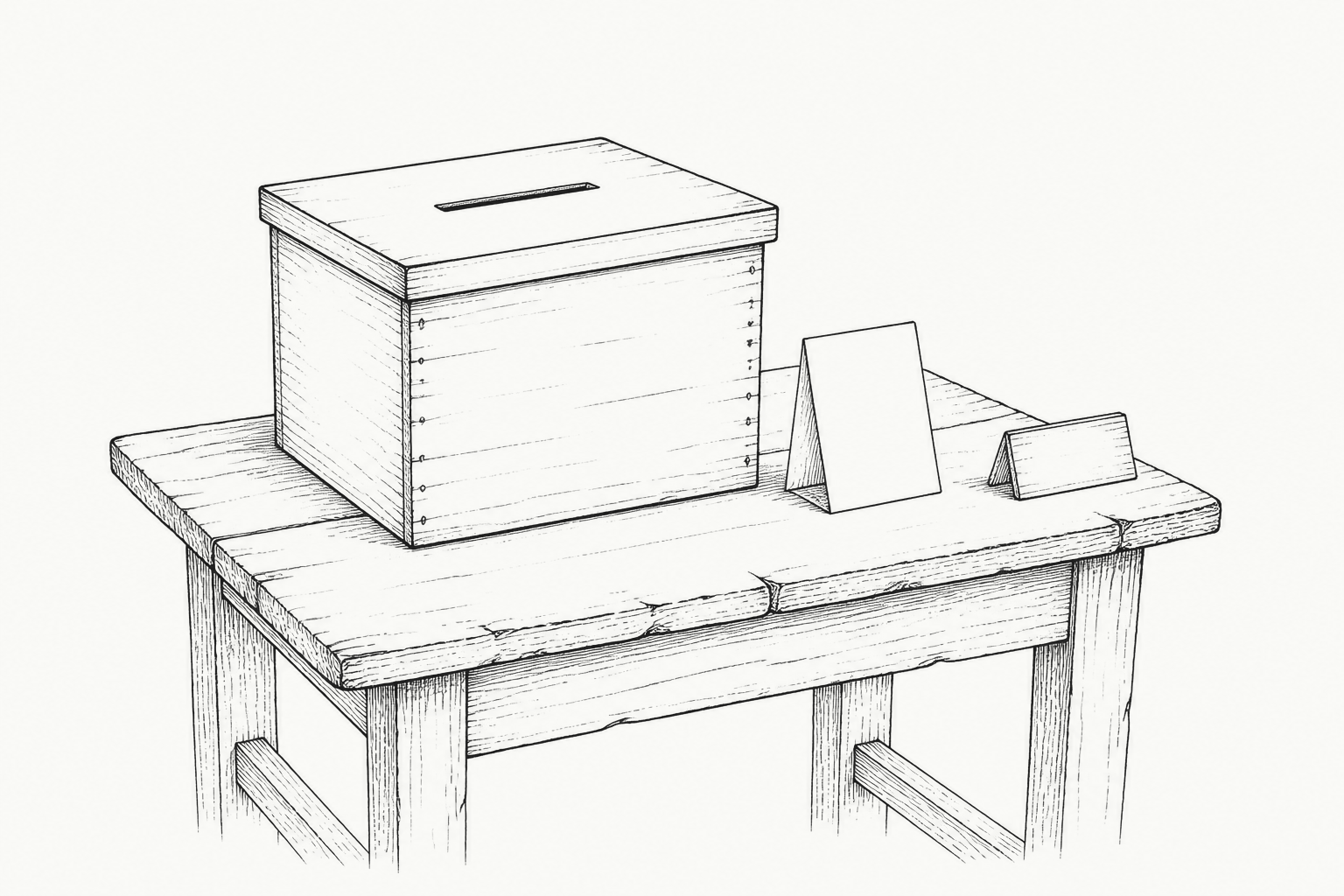
REYKJAVIK — Icelanders voted against restarting talks to join the European Union in Saturday's referendum, with 52.8 percent rejecting the government's plan to reopen accession negotiations halted 13 years ago, according to official results published Sunday by public broadcaster RUV.
The result freezes the EU question in Iceland for the remainder of Prime Minister Kristrún Frostadóttir's mandate, which runs until 2028, and hands opponents of membership their second decisive victory in just over a decade. Frostadóttir told voters in August that a No vote would put the EU issue aside for her tenure, and her office has vowed to respect the outcome even though the referendum is technically nonbinding.
Some 12,600 votes separated the sides in the country of just under 400,000 people, BBC reported, with the Yes camp taking 47.2 percent. Turnout reached 82.5 percent, the highest in any Icelandic election since 2009, and Reykjavik was the only part of the country where a majority backed the proposal, Fox News reported. The ballot asked a single question: "Should Iceland resume accession negotiations with the European Union?"
Fish over Brussels
Fishing dominated the campaign as it did the last one. Fish and marine industries account for almost 40 percent of Iceland's exports, and No voters feared they would cede some control of their grounds under the EU's common fisheries policy. Al Jazeera reported that 90 percent of companies in the industry opposed joining the bloc, and Fox News reported that opposition leaders warned any protections negotiated with Brussels would not last.
Opposition leader Gudrun Hafsteinsdottir, who led the No campaign, told voters that Brussels could not fix problems Iceland made for itself. "These are not problems that Brussels will solve for us. These are problems that Icelandic politicians must solve," she said, according to Fox News.
Yes campaigners countered that EU membership would ease Iceland's high interest rates, replace the volatile króna with the euro, and give the island a firmer place inside a bloc unsettled by the war in Ukraine and by U.S. President Donald Trump's talk of taking control of neighboring Greenland. Frostadóttir moved the referendum forward from a planned 2027 date after Trump began publicly identifying Iceland while discussing his Greenland designs.
Brussels loses a courtship
The outcome also amounts to a setback for Brussels, which had signaled willingness to compromise with Reykjavik on fisheries and other thorny issues and had hoped a wealthy Icelandic accession could ease resistance in member states to admitting poorer applicants such as Montenegro, Al Jazeera reported.
EU Enlargement Commissioner Marta Kos had told the bloc's negotiators to plan for concessions. "Iceland’s unique specificities on fisheries and agriculture are well known. They would have to be carefully considered," she said, adding that she was "confident that, together with EU member states, we would find creative solutions."
Iceland first applied to join the bloc in 2009 after the collapse of its banking system, and its bid had advanced well before a eurosceptic government put the file on hold in 2013 and closed it in 2015, CBS News reported. Iceland is already a member of the European Economic Area and the Schengen passport-free travel zone, giving it access to the EU's single market and to easier movement of people, capital, goods and services without full membership.
The counterpoint
The Yes campaign leaned on the economic and security case that many No voters rejected as either overstated or beside the point. Backers argued that adopting the euro would lower inflation and interest rates and that closer alignment with Brussels would matter in a region where the Trump administration has, according to Fox News, previously weighed the use of military force to bring Greenland under U.S. control. Opponents said Iceland already enjoyed the practical benefits of European integration through the EEA and Schengen and warned that full membership would trade sovereignty for advantages the country already possessed. "By staying independent as we are, we look brightly to the future," Ragnhildur Skarphedinsdottir, 70, said before casting a No vote in Reykjavik, according to Fox News.
Iceland is a founder member of NATO but has no military of its own and relies on its allies for defense. Officials have grown alarmed by Russia's increased maritime maneuvers near the island, BBC reported, and by Trump's stated interest in bringing Greenland, a self-governing Danish territory, under U.S. control.
What comes next
Frostadóttir was due to hold a media conference at 1 p.m. GMT on Sunday to lay out her government's next steps, Al Jazeera reported. Her cabinet has said it will leave to parliament the question of whether Iceland should formally withdraw its dormant EU application, and the prime minister has told voters the membership issue will not return during her mandate. That leaves Iceland's next opening for Brussels in the hands of whichever government voters elect in 2028.