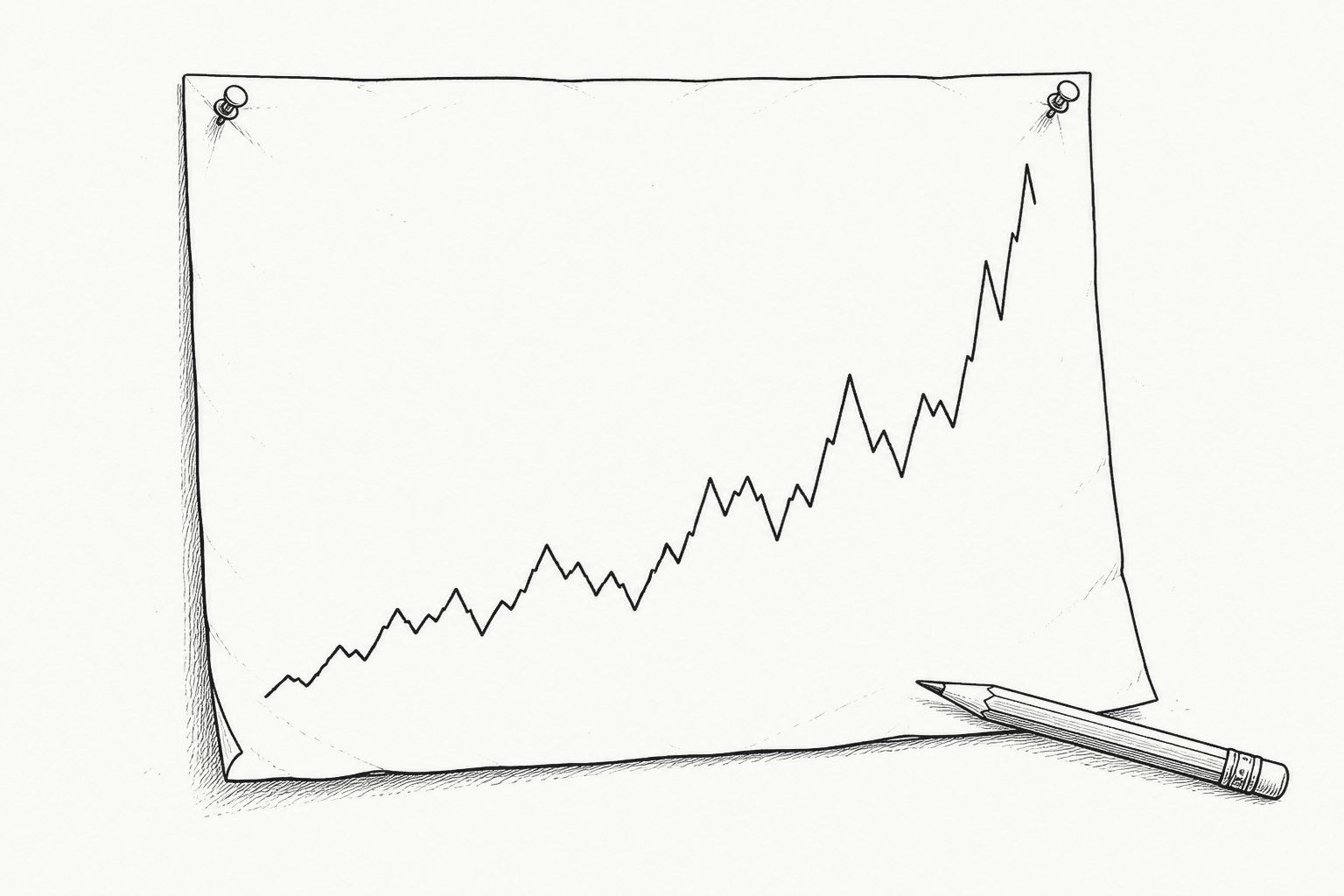
LONDON — The yield on 30-year British government debt closed at 5.89 percent on Tuesday, the highest level since 1998, as a selloff in long-dated bonds spread from London to New York and Tokyo and drove up borrowing costs for governments already under fiscal strain.
The move ratchets pressure on Prime Minister Andy Burnham and Chancellor John Healey eight weeks before their first Budget on Oct. 28, and it lands on the desk of the Federal Reserve two weeks before its next rate meeting. The benchmark 10-year U.S. Treasury yield rose to 4.79 percent on Tuesday, the highest since January 2025, according to BBC News, and 30-year U.S. borrowing costs reached levels not seen since 2007. The yield on the benchmark 10-year gilt hit 5.22 percent, its highest since June 2008.
What is driving it
Two forces are pulling in the same direction. Renewed U.S. and Iranian strikes in and around the Strait of Hormuz have pushed oil above $92 a barrel, keeping inflation fears alive at a moment when U.S. consumer prices are up 3.4 percent over the past year, well above the Federal Reserve's 2 percent target. And governments across the developed world are borrowing more than they were a decade ago; the U.S. national debt has passed $40 trillion, doubling in ten years under Presidents Trump and Biden.
Big Tech has added to the queue. Karen Ward, JPMorgan's chief market strategist for Europe, told the BBC's "World at One" that Treasury markets are increasingly having to compete for cash with technology firms raising money for artificial-intelligence infrastructure.
"Markets are getting a lot more choice about who they are going to lend to and at what interest rates," Ward said.
Fed pressure
The move in Treasuries came with a fresh hawkish nudge from Washington. Michael Barr, a Fed governor, said in a speech Tuesday that inflation had been too high for five years and warned that, if it did not cool, "then I think we should act decisively to raise rates." Fed Chairman Kevin Warsh said last week that policymakers would "have work to do" if they were not confident price pressures were easing. The Fed has held its policy rate between 3.5 percent and 3.75 percent for months.
Treasury Secretary Scott Bessent tried earlier to steady the long end by announcing that the U.S. government would step up buybacks of its own debt. The market's reaction was short-lived. In the mortgage market, the average rate on a 30-year U.S. home loan has climbed to nearly 6.7 percent, a one-year high.
The Burnham squeeze
For Britain's new government, higher yields translate almost directly into fewer choices. Under fiscal rules set by Healey's predecessor, Rachel Reeves, and kept in place by the current chancellor, the more the state must spend on debt interest, the less it can pledge on cost-of-living relief without raising taxes.
Burnham told the House of Commons on Tuesday, in his first address as prime minister, that the economy and the cost of living were "the biggest issues facing the country" and that his government's "bedrock" would be "fiscal responsibility." He said he would still bring "more substantial change" to ease living costs. "Britain is not where any of us would wish it to be," he added.
Conservative leader Kemi Badenoch accused him of "living in the past." "His diagnosis is completely wrong," Badenoch told MPs.
Lord Jim O'Neill, a former economic adviser to Burnham who recently turned down a formal role in his team, said market pressure would force Labour to "get real" about "dealing with the triple lock" on the state pension and "excessive" welfare spending.
Kathleen Brooks, research director at investment company XTB, framed the move as a warning. "Of course, this is red lights flashing," Brooks told the BBC News Channel, adding that record government debt and a record tax take mean "these are not comfortable times for the new government and the new chancellor."
The government's counter
Healey, attending a Group of 20 meeting in the United States, told counterparts the U.K. had the fastest growth in the G7 so far in 2026, was improving productivity and was cutting its borrowing at the fastest rate of the major economies. The reporting drawn on for this account came from center-leaning BBC coverage; no partisan reaction from left- or right-leaning U.S. or British outlets had surfaced by press time.
The Fed's next rate decision is due Sept. 15-16. Burnham and Healey deliver the Budget on Oct. 28.